What an Electric Car Ownership Study Reveals

What an Electric Car Ownership Study Reveals

The useful question is not whether electric cars are the future. It is whether one fits the life you actually lead. An electric car ownership study ought therefore to begin not with official range figures or grand claims about saving the planet, but with the ordinary journeys that fill a week: shopping, visiting family, commuting, appointments and the occasional longer run.

After more than five decades of driving, including an earlier fondness for Jaguars, Daimlers and six-cylinder Volvos, I do not regard the move to electric motoring as a moral conversion. It is a practical decision. Now retired and travelling less far from home, an electric car suits my requirements better than the petrol cars I once enjoyed. That does not make it the universal answer. It is, as so often, horses for courses.

Read more

Exporting Versus Licensing Overseas – Choose Well

Exporting Versus Licensing Overseas - Choose Well

A firm with a sound product and an interested overseas enquiry can make exporting versus licensing overseas appear to be a simple commercial choice. It is not. The decision determines who deals with the customer, who carries the stock, where the knowledge resides and, in time, who owns the relationship with the market.

In my experience, the early enthusiasm around a foreign opportunity is often justified. What is less often examined is whether the proposed route to market suits the product, the firm’s resources and its willingness to remain involved once the first order has been won. A sale abroad and a licence abroad may both produce revenue, but they create very different businesses.

Read more

British Constitution Explained Simply in Practice

British Constitution Explained Simply in Practice

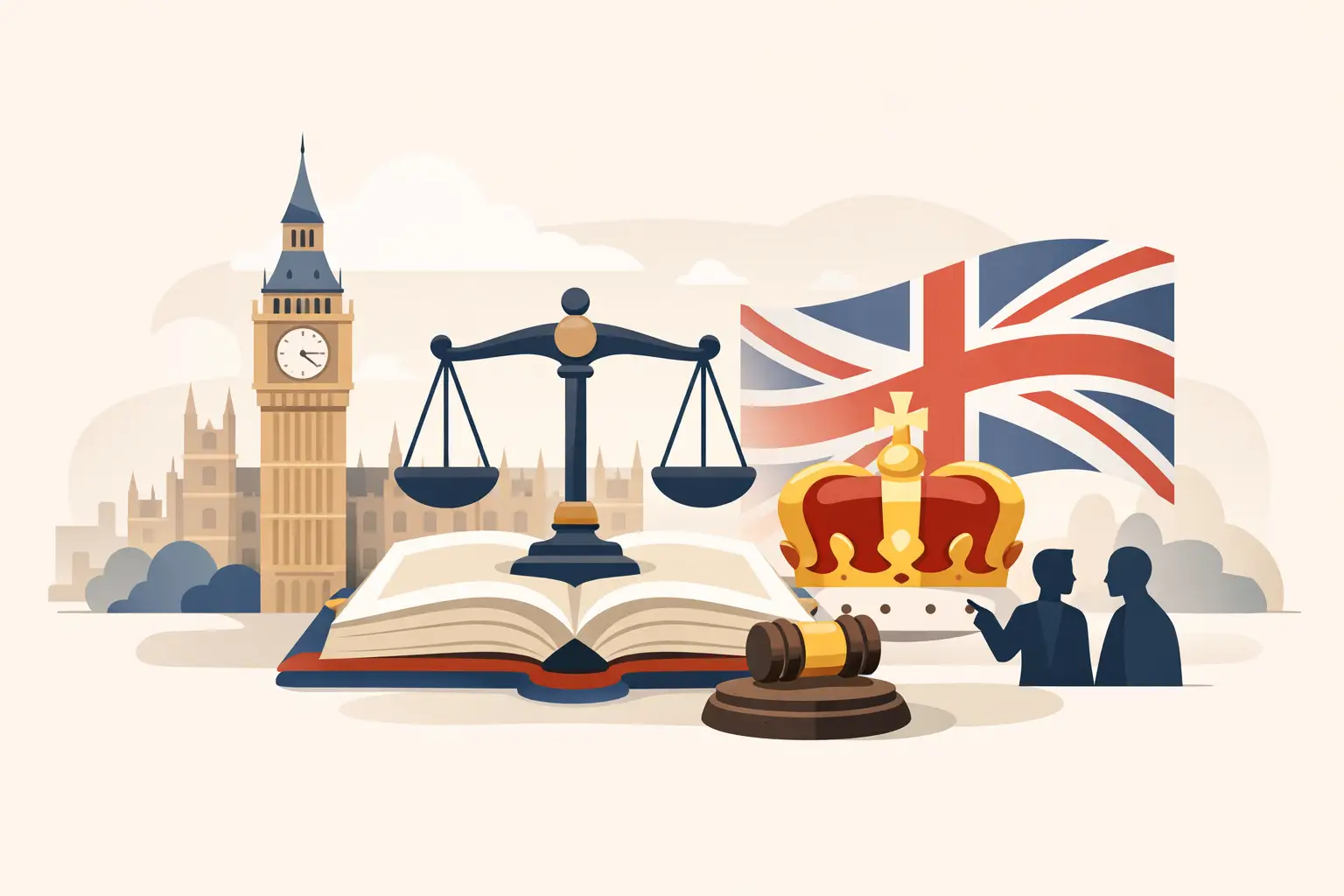
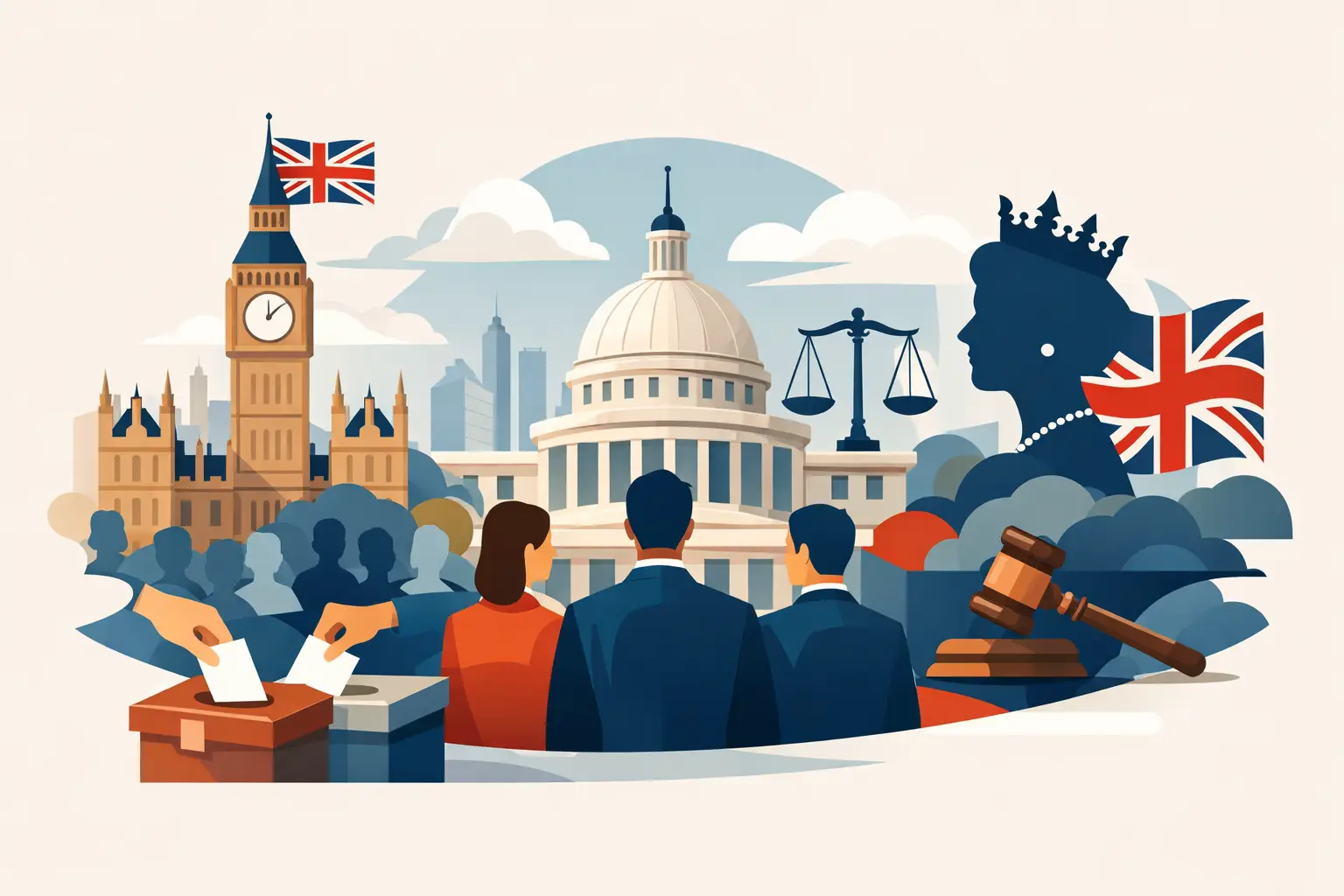
A visitor to Westminster might reasonably ask for a copy of the British constitution, only to discover that there is no single volume to hand over. That apparent oddity is the starting point for the British constitution explained simply. Britain has constitutional rules, many of them old and some surprisingly adaptable, but they are spread across Acts of Parliament, court decisions, political customs and historic documents.

This arrangement can look untidy, particularly beside constitutions written down in one authoritative text. Yet it has endured because it allows change without requiring a grand national rewriting exercise every time politics or society moves on. Its weakness is equally plain: much depends on restraint, good faith and a shared understanding of rules that are not always legally enforceable.

Read more

Why Never Underestimate a Freight Forwarder

Why Never Underestimate a Freight Forwarder

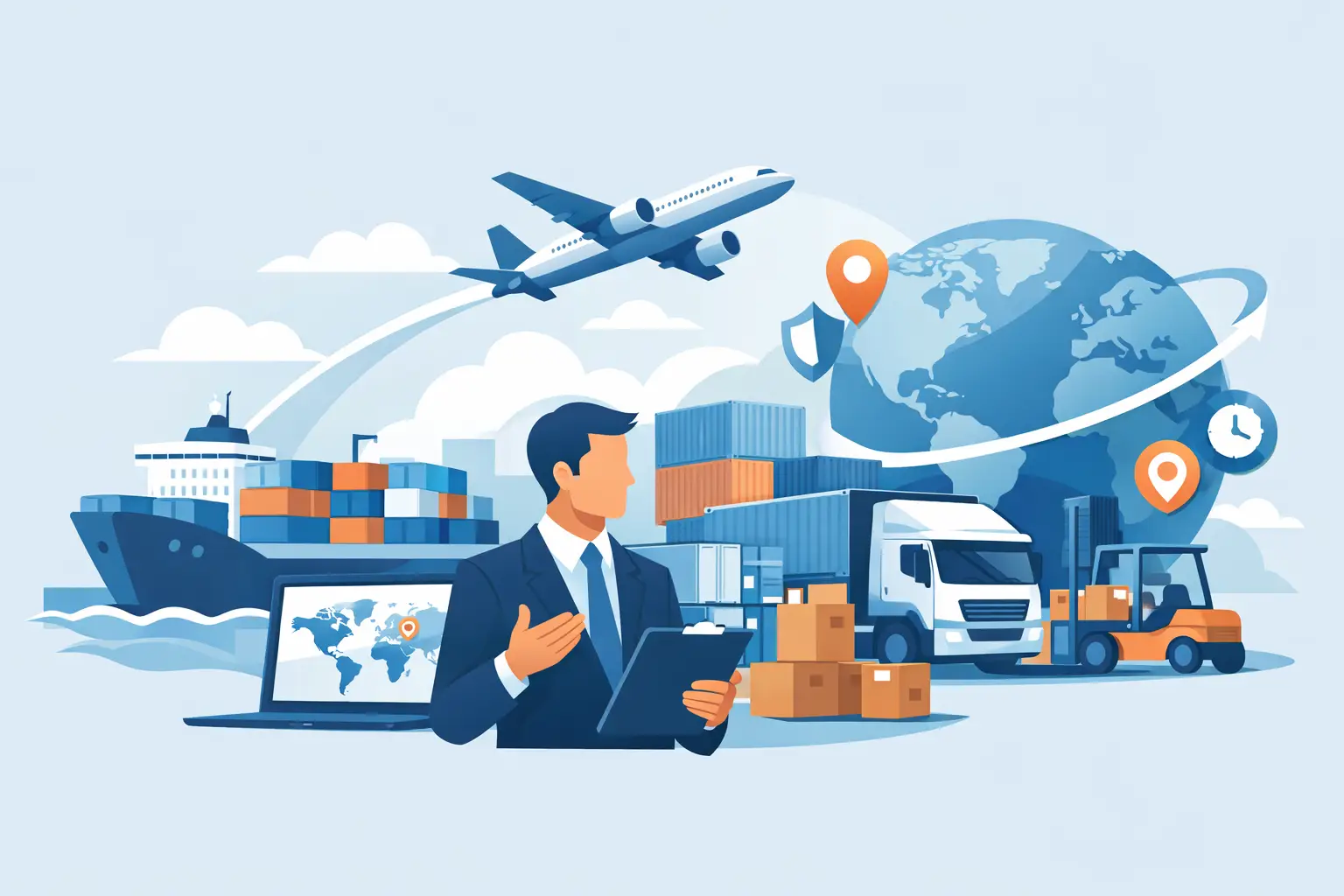
A shipment can look straightforward on a sales order: collect the goods, book the transport, send the documents and await payment. Anyone who has spent time in export knows better. Never underestimate a freight forwarder, because the apparent simplicity of moving goods between countries conceals a chain of decisions in which one overlooked detail can stop a consignment, absorb a profit margin or sour a customer relationship built over years.

Freight forwarders are sometimes treated as mere booking agents, called upon after the commercial work has been done. That is a costly misunderstanding. A good forwarder is often the person who sees the whole physical transaction at once: the nature of the goods, the packing, the route, the carrier, the port, the customs requirements, the insurance exposure and the deadline that matters at the other end.

Read more

A Guide to Practical Export Documentation

A Guide to Practical Export Documentation

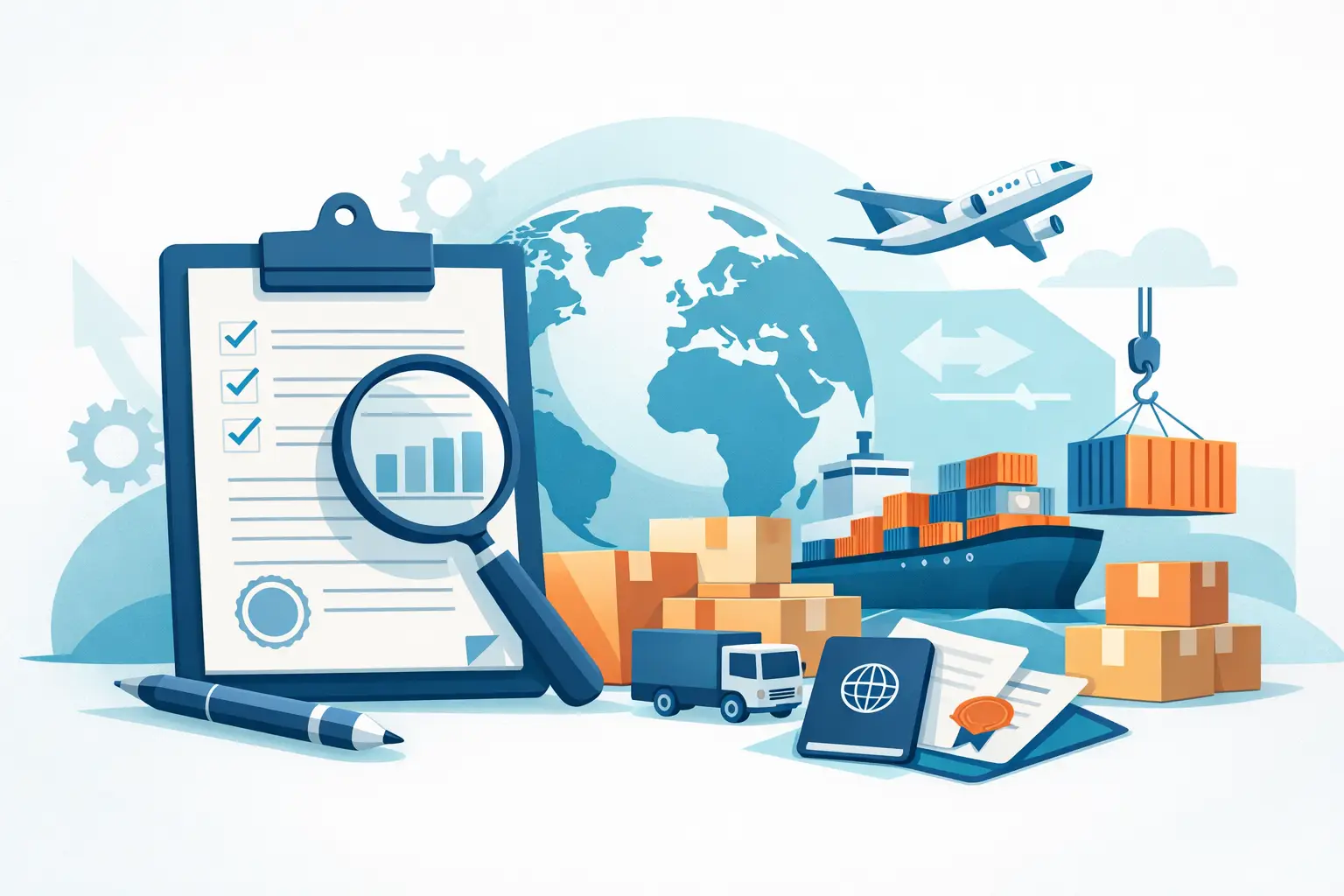
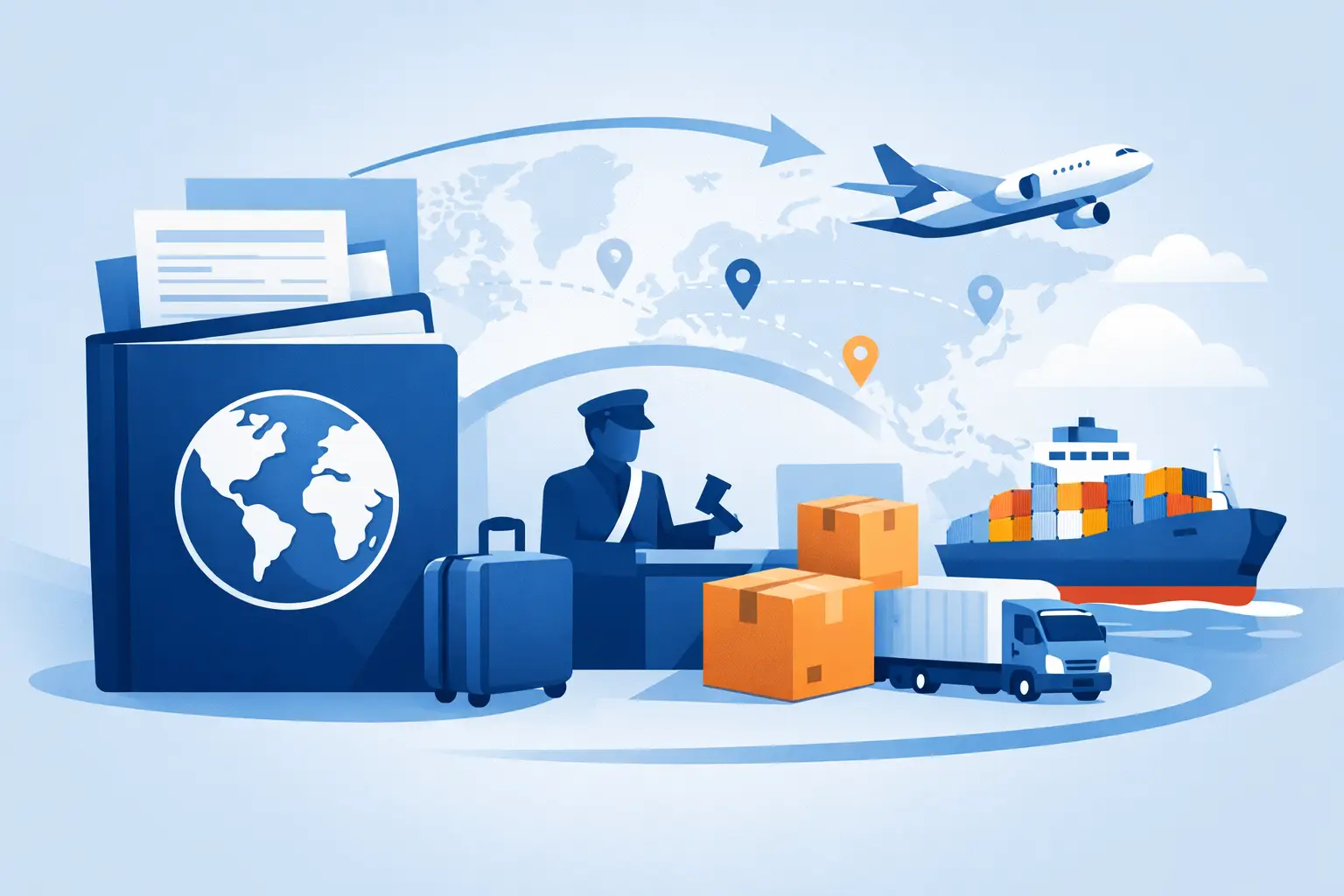
A consignment can be perfectly made, competitively priced and wanted by the customer, yet still fail at the point where paperwork meets the border. A guide to practical export documentation must therefore begin with a plain truth: documents are not an administrative afterthought. They are the written account of what has been sold, where it is going, who is responsible for it, and on what terms it may enter another country.

For many years, exporters became accustomed to treating the movement of goods to Europe as largely routine. The change in the UK’s trading relationship with the European Union made the underlying disciplines visible again. Those disciplines were always present in trade beyond Europe, and they remain fundamental whether goods travel by parcel carrier, air freight, container or lorry.

The paperwork need not be mysterious. It does, however, need to be consistent. Most expensive errors arise not because an exporter lacks a particular form, but because information has been copied carelessly, responsibility has been assumed rather than agreed, or someone has looked at one document in isolation.

Read more

Export Documentation: From Carbon Paper to the Cloud

The way we produce business documentation today bears almost no resemblance to the methods used when I entered international trade.

Today, an invoice can be prepared on a computer, corrected without leaving a trace, converted into a PDF and transmitted to several people around the world within seconds. Identical copies can be printed whenever required, and the electronic original can be stored, searched for and retrieved years later.

In the 1960s, producing export documentation was a considerably more physical—and sometimes exhausting—exercise.

Read more

Technology Change Over a Lifetime: What We Gain

Technology Change Over a Lifetime: What We Gain

The most striking feature of technology change over a lifetime is not that machines have become faster. It is that activities once requiring patience, specialist knowledge and several people can now be performed, often imperfectly, by one person with a telephone in his pocket. For someone who began work when a long-distance call had to be booked, export papers were typed in multiple copies and a wrong figure could mean starting a page again, the scale of the alteration is hard to overstate.

There is a temptation to treat this as a simple march of progress. Much has plainly improved. Communication is quicker, information is more widely available and many formerly laborious tasks are cheaper. Yet every gain brings a different dependency. The question is not whether technology is good or bad. It is whether we remain capable of judging when it helps, when it misleads and when an older, slower method is the wiser one.

Read more

How British Democracy Really Functions Today

How British Democracy Really Functions Today

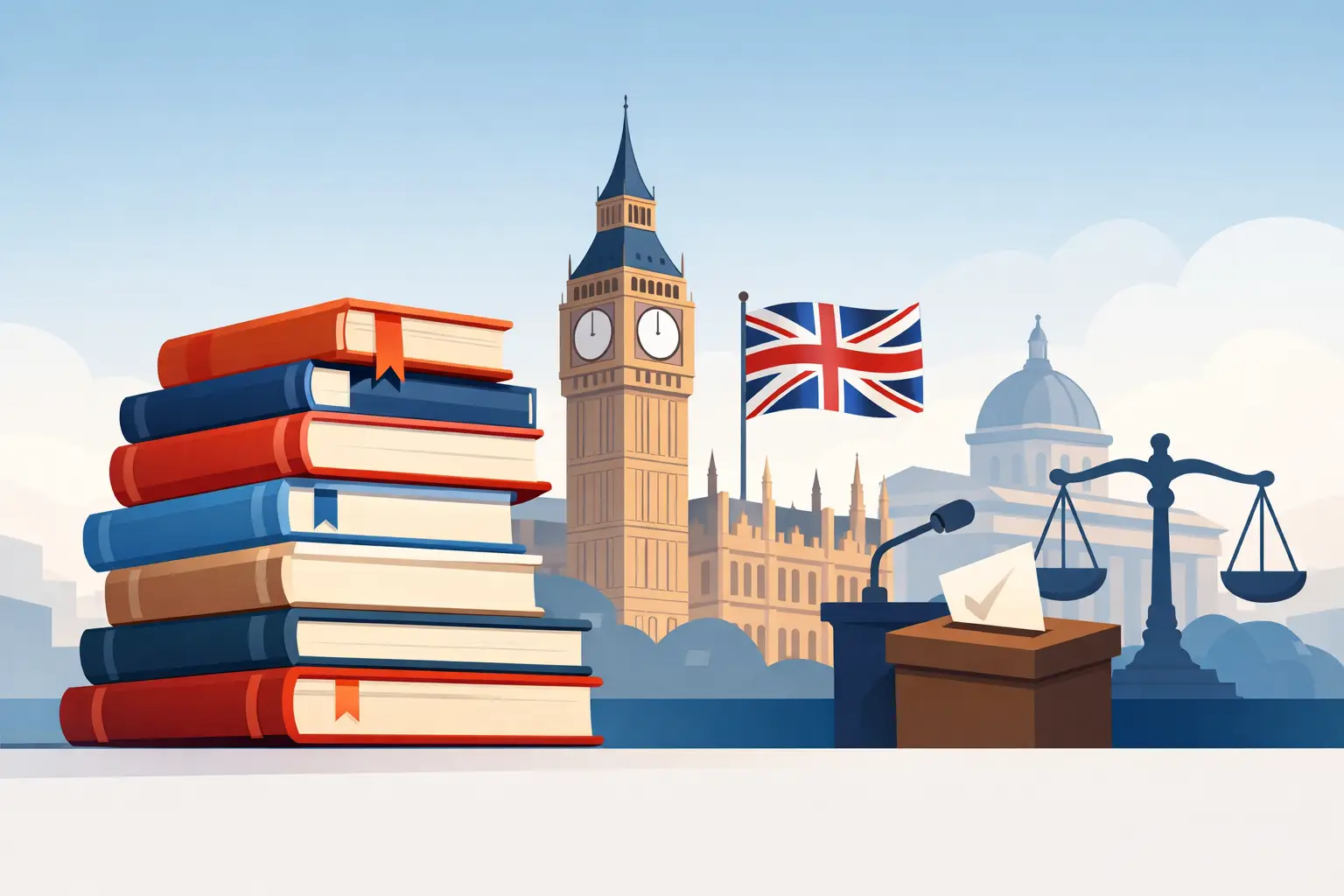
A British general election can remove a government in a single night, yet much of the machinery that shapes public life does not change at all. Civil servants remain at their desks, judges continue to interpret the law, the House of Lords revises Bills, and the Crown performs its constitutional role. To understand how British democracy really functions, one must look beyond the ballot box and examine the relationships between institutions, power and public consent.

Read more

The Practical Export Guide for All Exporters

The Practical Export Guide

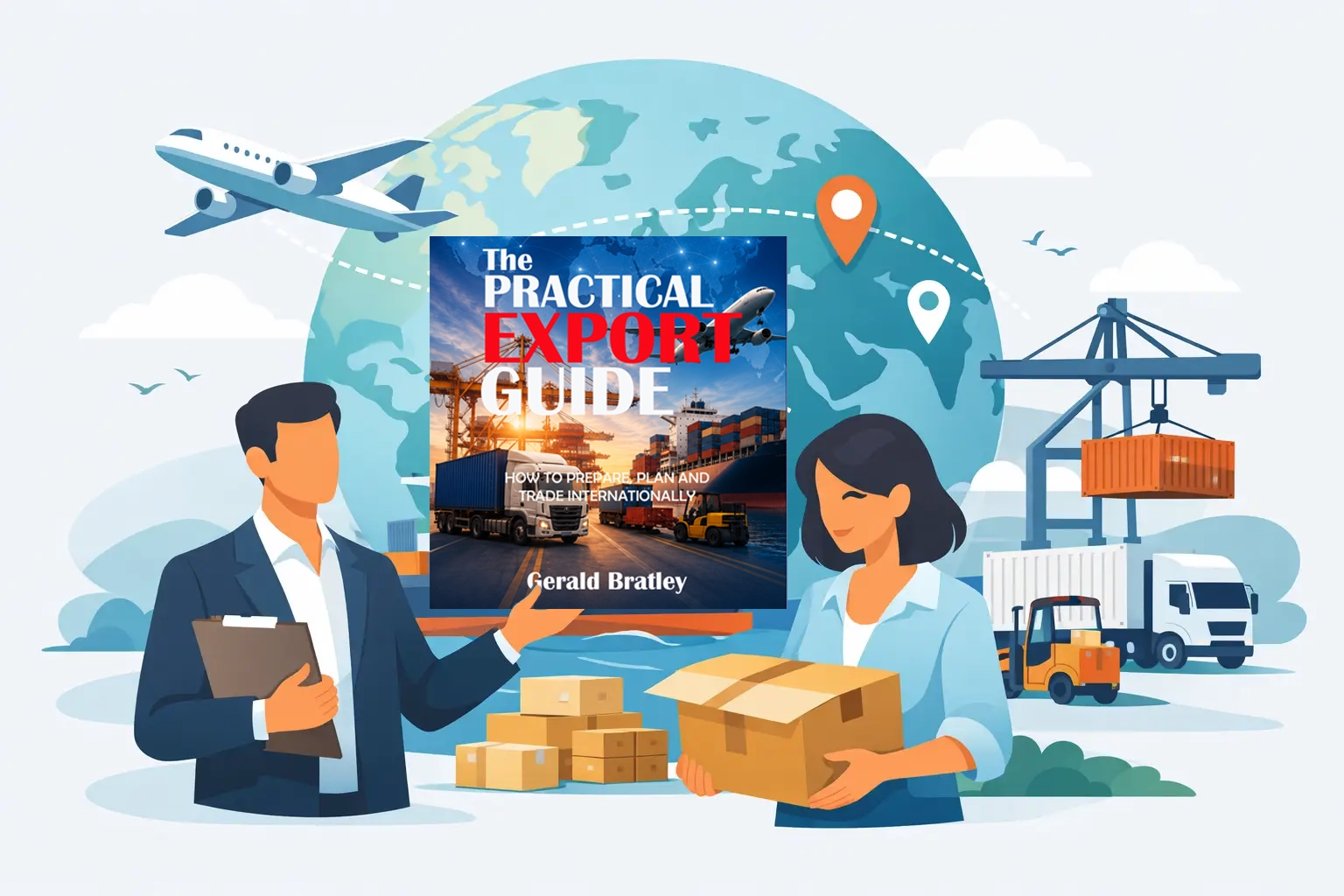
An export order can look reassuringly simple on a desk: a customer, a product, a price and a destination. The Practical Export Guide begins where that simplicity ends. Between accepting an order and receiving payment lies a chain of commercial decisions, documents, people, regulations and physical movement. A weakness in any one of them can turn a promising overseas sale into an expensive lesson.

For many years, international trade was learned by working alongside experienced export clerks, shipping managers, salespeople, freight forwarders and bank staff. Much of that informal apprenticeship has disappeared. Systems may now be electronic, but the underlying responsibilities remain much the same. The exporter still has to establish what has been sold, to whom, on what terms, how it will travel, who carries the risk, and how the business will be paid.

This is not an argument against specialist training. Customs procedures, commodity codes, origin rules, export controls, Incoterms, transport and documentary credits all deserve careful study in their own right. The difficulty is that a newcomer can study each subject separately and still fail to see how an export transaction works as a whole. That is the gap a practical overview is intended to fill.

Read more