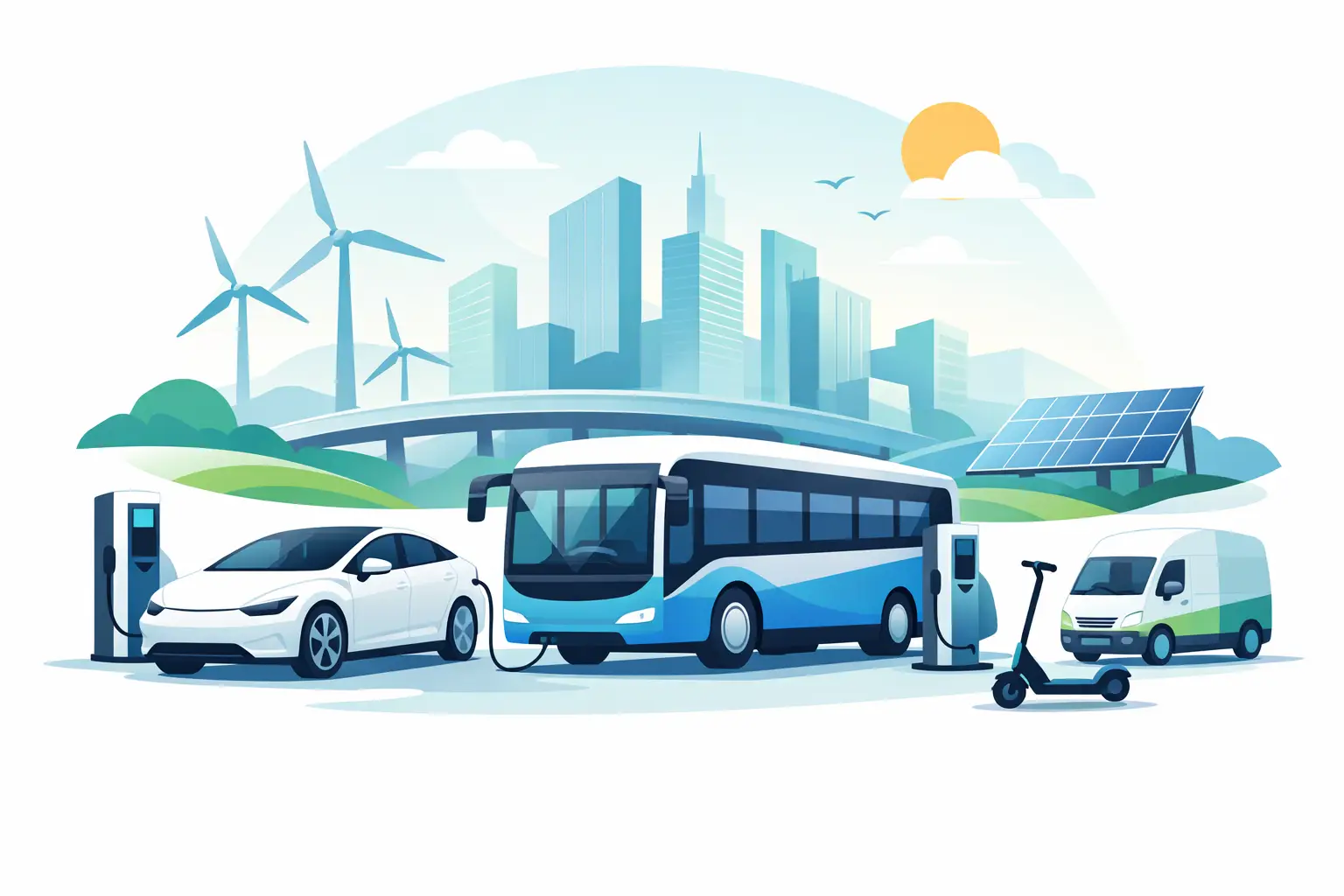
The Future of Electric Transport Is Practical

The Future of Electric Transport Is Practical

A motor car is not a political statement when it fails to start on a cold morning or needs to cover 300 miles before teatime. It is a working tool, a freedom and, for many people, a pleasure. The future of electric transport will therefore be settled not by slogans from either enthusiasts or sceptics, but by whether electric vehicles serve ordinary journeys reliably, affordably and without unreasonable complication.

I have owned more than 39 cars over five decades, including the powerful Jaguars, Daimlers and six-cylinder Volvos that were part of a different motoring age. I understand the appeal of a substantial engine and the sense of occasion it can provide. But retirement changes the calculation. For local and regional travel, an electric car is quiet, comfortable, economical to run and well suited to the job. That is not a moral victory over petrol. It is simply horses for courses.

Read more

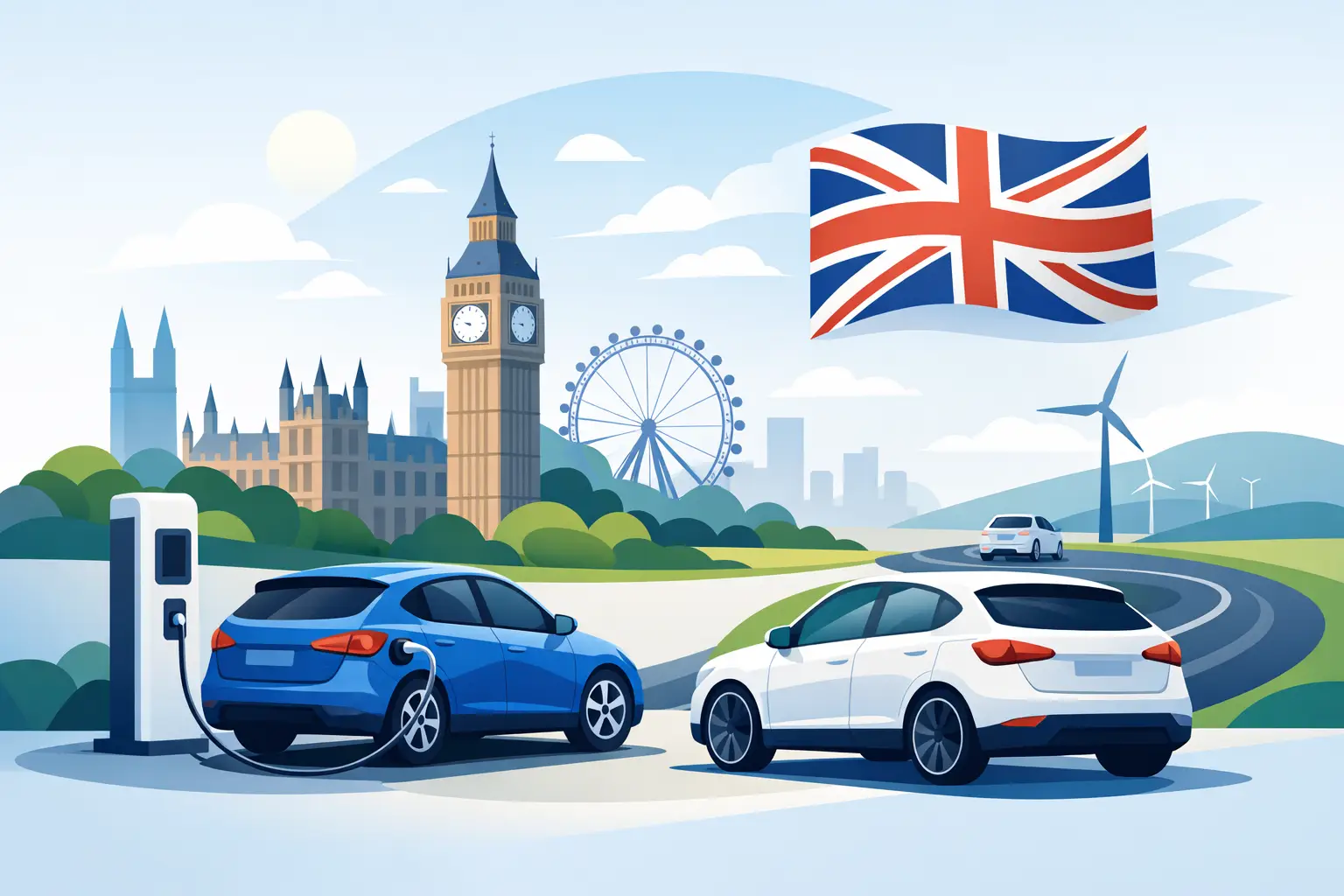
Are Electric Vehicles Practical in Britain?

Are Electric Vehicles Practical in Britain?

For a driver who once enjoyed Jaguars, Daimlers and six-cylinder Volvos, the appeal of a powerful petrol engine needs no explanation. It is also why the question, are electric vehicles practical in Britain, deserves a more honest answer than either evangelical enthusiasm or reflexive dismissal. The answer is yes for many people, but emphatically not for everyone.

After more than five decades of driving and 39 cars, mostly bought new, I have seen motoring move from carburettors and points to electronic management, hybrids and fully electric cars. Each change has brought gains, compromises and a good deal of exaggerated commentary. Electric motoring is no different. It should be assessed as a working tool for daily life, not as a moral badge or a political gesture.

Read more