Electric Vehicle Range in Real British Driving

Electric Vehicle Range in Real British Driving

A claimed range of 300 miles sounds reassuring until a winter motorway journey, a headwind and a full passenger load reduce it considerably. Electric vehicle range is not a fixed property in the way that many buyers once assumed a petrol tank capacity to be. It is an estimate produced under specified conditions, then altered by weather, speed, road gradient, driving style and the demands made on the car’s heating or cooling systems.

This is not an argument against electric cars. Many owners find them quiet, economical and particularly well suited to ordinary daily use. But sensible decisions about transport are made by understanding limitations as well as advantages. The gap between laboratory figures and real journeys has long existed for conventional cars too. With electric vehicles, however, the consequences are more immediate because recharging takes longer than filling a tank and the available public network remains uneven in quality.

Read more

Trade Missions Versus Exhibitions: Which Works?

Trade Missions Versus Exhibitions: Which Works?

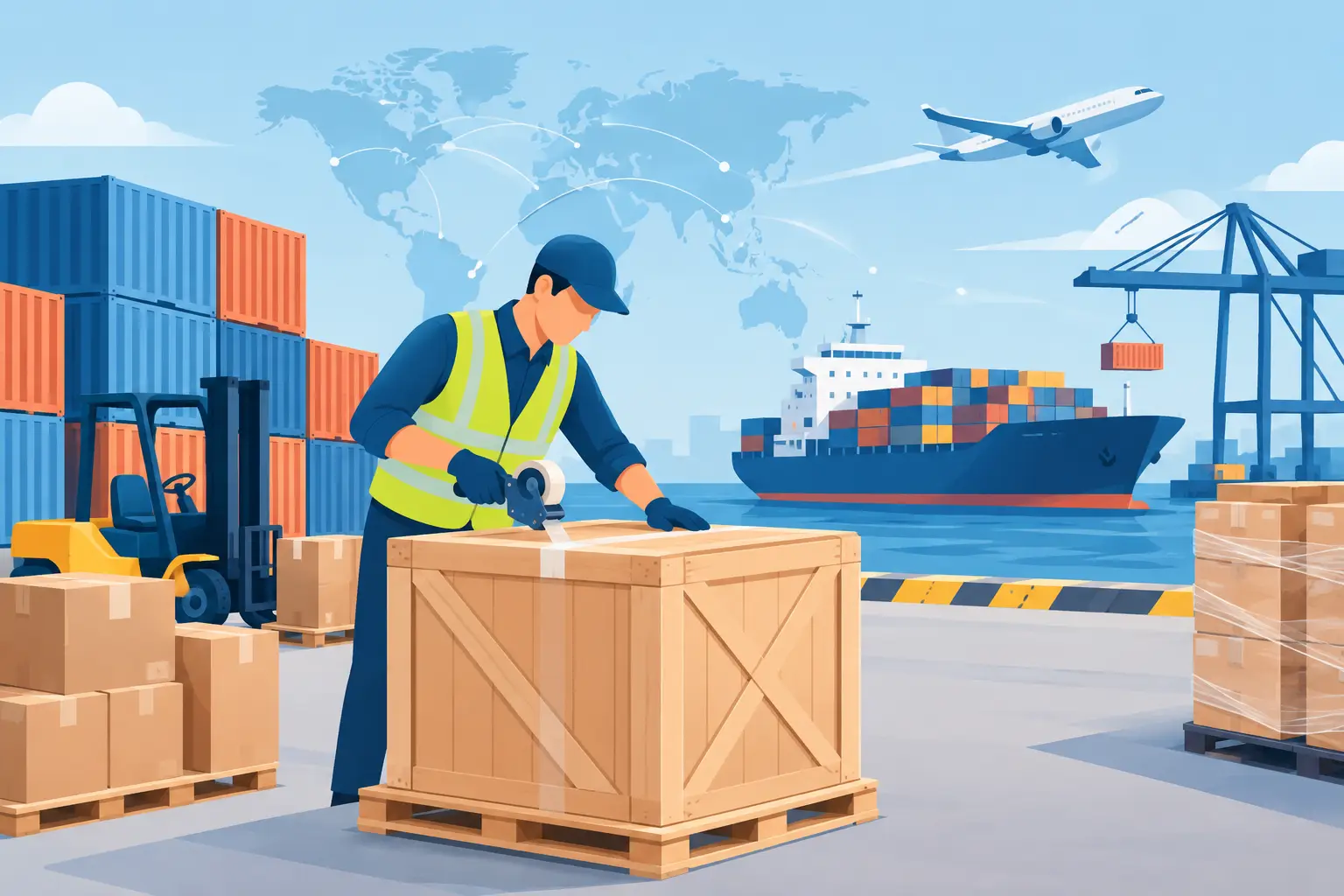
An export manager with a modest budget cannot afford to collect impressive-looking contacts that lead nowhere. That is the practical question behind trade missions versus exhibitions. Both can introduce a company to overseas markets, but they do so in markedly different ways. One puts a business in front of selected people; the other asks it to compete for attention in a crowded commercial arena.

Having worked with overseas markets before video calls, online directories and instant translation changed the mechanics of international trade, I remain wary of any claim that one route is always superior. The value depends on the product, the market, the company’s stage of export development and, above all, the preparation done before anyone boards a plane or books a stand.

Read more

Guide to Export Credit Insurance for Exporters

Guide to Export Credit Insurance for Exporters

A profitable export order can become a costly lesson if the buyer fails after the goods have left Britain. The paperwork may be correct, the product accepted and the customer well known locally, yet recovery across borders can be slow, expensive or impossible. This guide to export credit insurance explains where insurance fits into sensible export practice, and where it does not.

Export credit insurance is not a substitute for choosing customers carefully, agreeing sound terms or controlling documentation. It is a means of protecting the balance sheet when commercial failure or political events prevent an overseas buyer from paying. Used properly, it gives an exporter more confidence to offer credit and pursue markets that might otherwise appear too risky.

Read more

Have Qualifications Replaced Experience in Britain?

Have Qualifications Replaced Experience in Britain?

A job advertisement asking for a degree, several professional certificates and five years’ experience in a narrowly defined role tells a revealing story. It may look exacting, but it can also describe an employer trying to transfer the burden of judgement from its own managers to a list of credentials. Has qualifications replaced experience in Britain? Not completely. Yet in many organisations, qualifications have become a convenient proxy for capability, sometimes at considerable cost.

The issue matters well beyond individual careers. It affects how British firms compete, how public services retain knowledge, whether younger people are offered realistic routes into work and how effectively organisations deal with difficulty. A qualification can establish that someone has studied a subject. It cannot, by itself, show how that person will react when a customer changes the specification, a shipment is delayed at a frontier, a machine fails, or a carefully prepared plan meets the habits of another country.

Read more

Export Product Pricing That Protects Your Margin

Export Product Pricing That Protects Your Margin

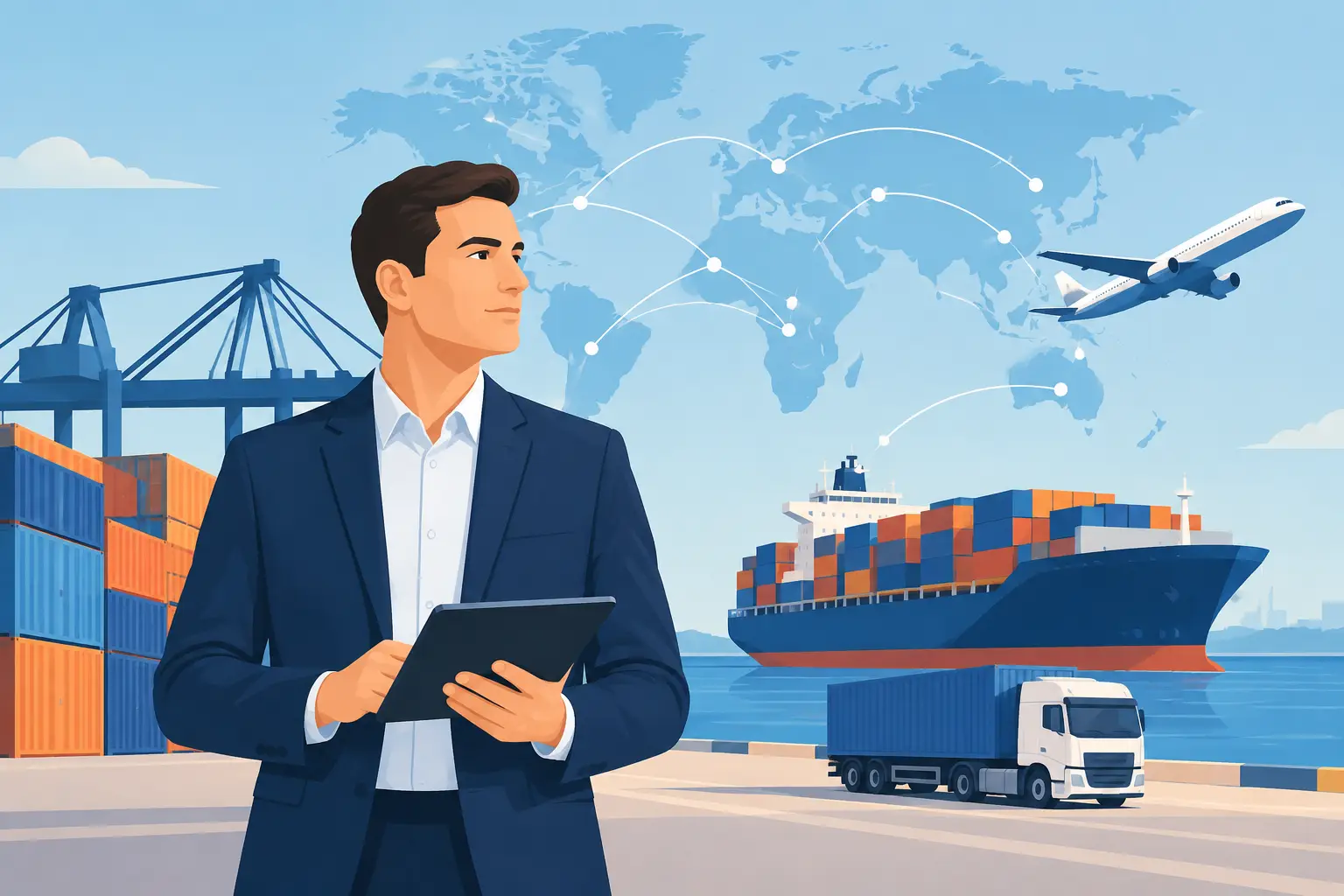
A quotation can look profitable on the day it is issued and become a loss before the goods leave the works. That is the central difficulty of export product pricing. The price is not merely the factory cost plus a convenient percentage. It is a commercial judgement about transport, currency, credit, documentation, local conditions and the party that will carry each risk.

Those who have worked in overseas markets learn this quickly. A customer may focus on the unit price, while the exporter must consider the whole journey from production to payment. If either side has misunderstood what is included, goodwill is soon replaced by argument. Margin disappears particularly fast when an exporter has quoted casually in an unfamiliar market.

Read more

Are Banks Needed If Documentary Payments Go Digital?

Are Banks Needed If Documentary Payments Go Digital?

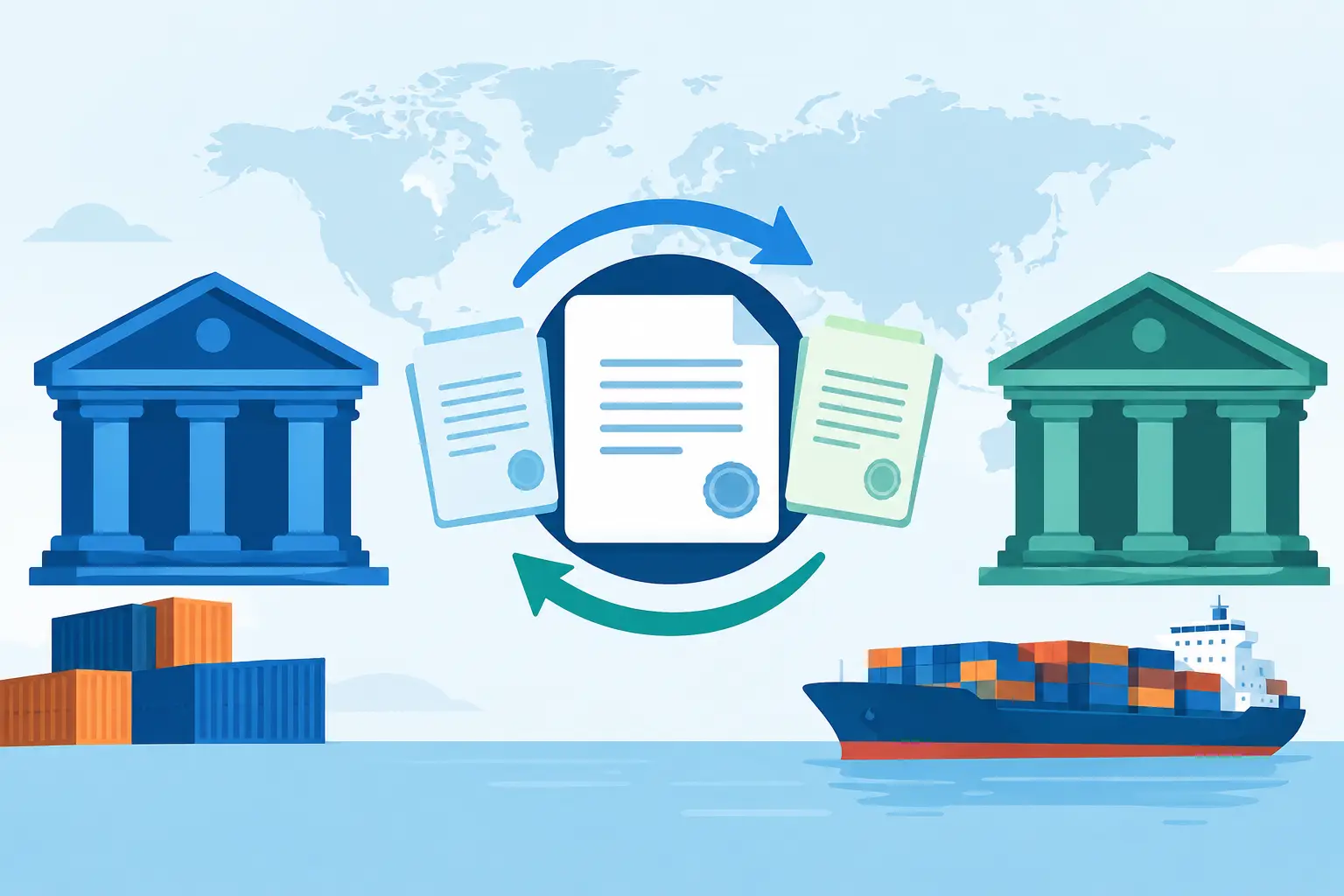
A set of export documents once travelled the world by courier, often at considerable cost and with uncomfortable delays. An invoice, packing list, certificate of origin, inspection certificate and bill of lading might be perfectly prepared, yet still sit in a bank pouch or airport warehouse while a ship arrived at its destination. The obvious question is: are banks needed if documentary payments become all digital?

The short answer is yes, but not always in the same capacity, and not for every transaction. Digitisation can remove much of the physical handling that made documentary trade slow and expensive. It cannot, by itself, remove the commercial risks that led exporters and importers to use banks in the first place.

The distinction matters. Too much discussion of digital trade assumes that moving a document from paper to screen also removes the need for trusted intermediaries. It does not. A document is not merely information. In international trade it can be evidence, an instruction, a claim on goods, and the trigger for payment or finance.

Read more

Trends in Global Trade and What Has Changed

Trends in Global Trade and What Has Changed

A container arriving late at Felixstowe, a component held up at a border, or a customer asking for prices in a volatile currency can tell us more about trends in global trade than a grand speech about globalisation. Trade remains immense, inventive and indispensable. Yet the assumptions that governed it for much of the late twentieth century – predictable routes, steadily falling barriers and the primacy of lowest cost – have been weakened.

Having begun work in international trade when overseas communication involved telexes, cables and costly telephone calls, I am wary of claims that trade has suddenly become either simple or impossible. The tools have changed beyond recognition. The central disciplines have not: knowing the customer, understanding the market, getting the documentation right, protecting cash flow and maintaining patience when events take an unwelcome turn.

Read more

60 Years Improving Communication, Then Phones Went Off

60 Years Improving Communication, Then Phones Went Off

There is an odd contradiction at the heart of modern life. We spent 60 years improving communication, then we turned the phones off. Not literally, of course. The devices are everywhere: on restaurant tables, beside beds, in meetings and in the hands of people crossing roads. Yet the ordinary expectation that one person may telephone another, speak directly and settle a matter has quietly been withdrawn.

For those of us who began working when international contact meant a trunk call, a telex, an air letter or an expensive cable, this is more than nostalgia. It is a question of what communication is for. We have gained speed, volume and reach. We have also, in many organisations, lost the direct human exchange that creates trust, resolves ambiguity and makes responsibility difficult to evade.

Read more

Engineering Books for General Readers That Matter

Engineering Books for General Readers That Matter

A bridge closure, a delayed train, an electricity outage or a recalled motor car can suddenly remind us that modern life rests on engineering. Yet the systems concerned are usually invisible when they work properly. Engineering books for general readers are valuable because they bring those systems into view without requiring the reader to become a specialist.

The best of them do more than explain how a turbine turns, a battery stores energy or a bridge carries weight. They show how decisions are made, where compromises arise, why apparently sensible projects fail and why technical progress rarely arrives without costs. For readers interested in industry, public policy, transport or Britain’s economic future, that wider perspective is often more useful than a catalogue of inventions.

Read more

Why Travel Writing From Real Experience Matters

Why Travel Writing From Real Experience Matters

A hotel lobby at midnight, a missed connection, a meeting changed without warning and a cable sent home after days of silence can tell us more about a country than a polished itinerary. Travel writing from real experience begins there: not with an attractive view, but with the practical reality of being away from home, trying to understand people, institutions and a market that does not operate to British assumptions.

For much of the post-war period, overseas travel for work was neither quick nor frictionless. It involved long journeys, uncertain communications and the personal responsibility of representing a firm, or sometimes a government interest, without an office full of colleagues behind you. That experience deserves to be recorded plainly. It explains how international business was actually conducted and, equally, how travel changes the traveller.

Read more