Why Documentary Collections Matter More Than Ever

Why Documentary Collections Matter More Than Ever

An old export file can tell a more truthful story about a business relationship than a polished company history. The invoice shows the price agreed; the packing list shows what actually left the warehouse; the correspondence may reveal delay, disagreement or a customer’s changing circumstances. Documentary collections have this particular value: they preserve the working evidence from which a serious account can be made.

The term can mean a collection of films, but in its older and more useful sense it means selected original documents brought together to illuminate an event, institution, person or period. Letters, memoranda, reports, minutes, photographs, maps, contracts and official papers may all be included. Their worth lies not simply in age or rarity, but in their capacity to test the stories later told about them.

For readers interested in trade, public life, engineering or political history, this matters greatly. Large claims are easily made about national decline, industrial achievement, government failure or commercial success. Documents do not automatically settle such questions, but they oblige the writer and reader to be more precise.
Read more

The Role of the Export Manager in Real Trade

The Role of the Export Manager in Real Trade

International Trade is a Chain of Events, not a Single Task

International trade involves many skills and disciplines, beginning with identifying potential markets, researching them and developing sales opportunities. See the Three Golden Steps for more information.

The title Export Manager can describe two quite different roles. In a large organisation, the Export Manager may supervise a department employing specialists in sales, marketing, packing, documentation, shipping, finance and legal matters etc. Much of the manager’s responsibility involves coordinating the work of those departments.

In a smaller company, however, the Export Manager may have to undertake many of these activities personally, calling upon outside specialists and subcontractors when required.

This article concentrates on the second type: the experienced Export Manager who possesses sufficient practical knowledge across multiple disciplines to manage an international transaction from the initial enquiry through to final payment.

Read more

The Future of British Manufacturing Depends on Scale

The Future of British Manufacturing Depends on Scale

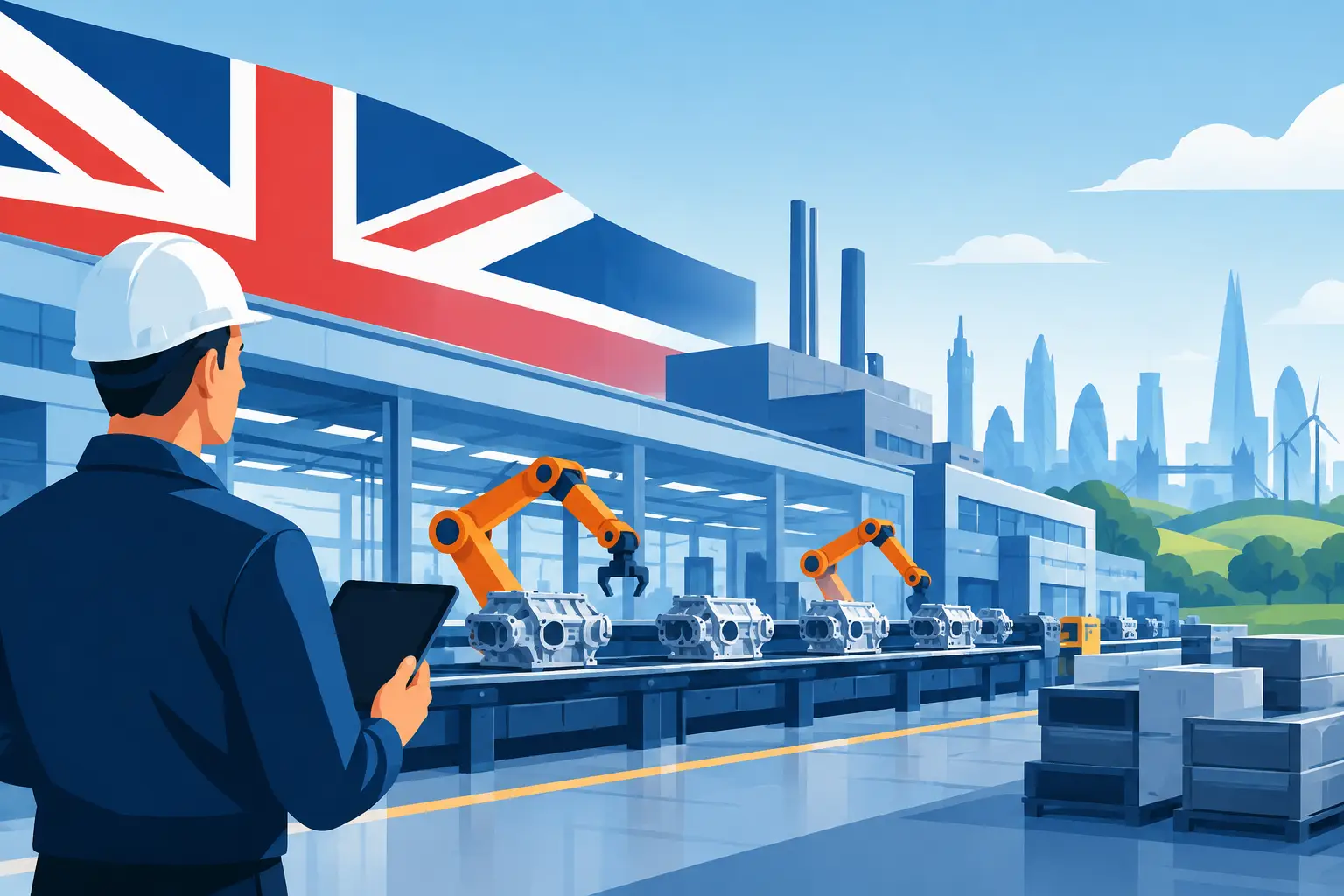
A factory does not become internationally competitive because a minister visits it in a hard hat, or because a press release describes its work as innovative. It does so through years of capital expenditure, skilled supervision, reliable suppliers, disciplined quality control and customers prepared to place repeat orders. The future of British manufacturing will be decided by these unglamorous realities as much as by artificial intelligence, electric vehicles or any other fashionable label.

Britain still makes far more than public discussion sometimes suggests. It produces advanced machinery, pharmaceuticals, aerospace components, specialist chemicals, food, medical equipment, defence systems and highly engineered products sold into demanding markets. Yet the sector is too often discussed either nostalgically, as though its best years are irretrievably behind it, or optimistically, as though a handful of start-ups can replace the industrial base that has been allowed to thin out.

Neither view is adequate. Britain can remain a serious manufacturing nation, but only if it treats manufacturing as a long-term national capability rather than a convenient political slogan.

Read more

What a Register of International Trade Experts Misses

What a Register of International Trade Experts Misses

A register of international trade experts sounds, at first hearing, like an obvious public service. A British firm facing its first overseas order ought surely to be able to find somebody qualified to help. Yet the phrase conceals a difficulty that has repeatedly defeated well-meaning export support schemes: international trade is not one profession. It is a chain of separate disciplines, and a weak link in any one of them can turn a promising sale into an expensive failure.

This was one of the central flaws in the Government’s Export Adviser Scheme. It treated experience in exporting as though it were a general competence that could be listed, matched and supplied. Some advisers were undoubtedly capable people. The problem was structural. A person who had sold industrial equipment successfully might know little about marine insurance; a banker who understood letters of credit might have no useful knowledge of selecting distributors; a lawyer might be excellent on contracts but unable to judge whether a consignment had been packed suitably for a tropical port.

The exporter did not need an impressive title. He needed the right judgement at the right moment.

Read more

Disciplines Involved in International Trade

Disciplines Involved in International Trade

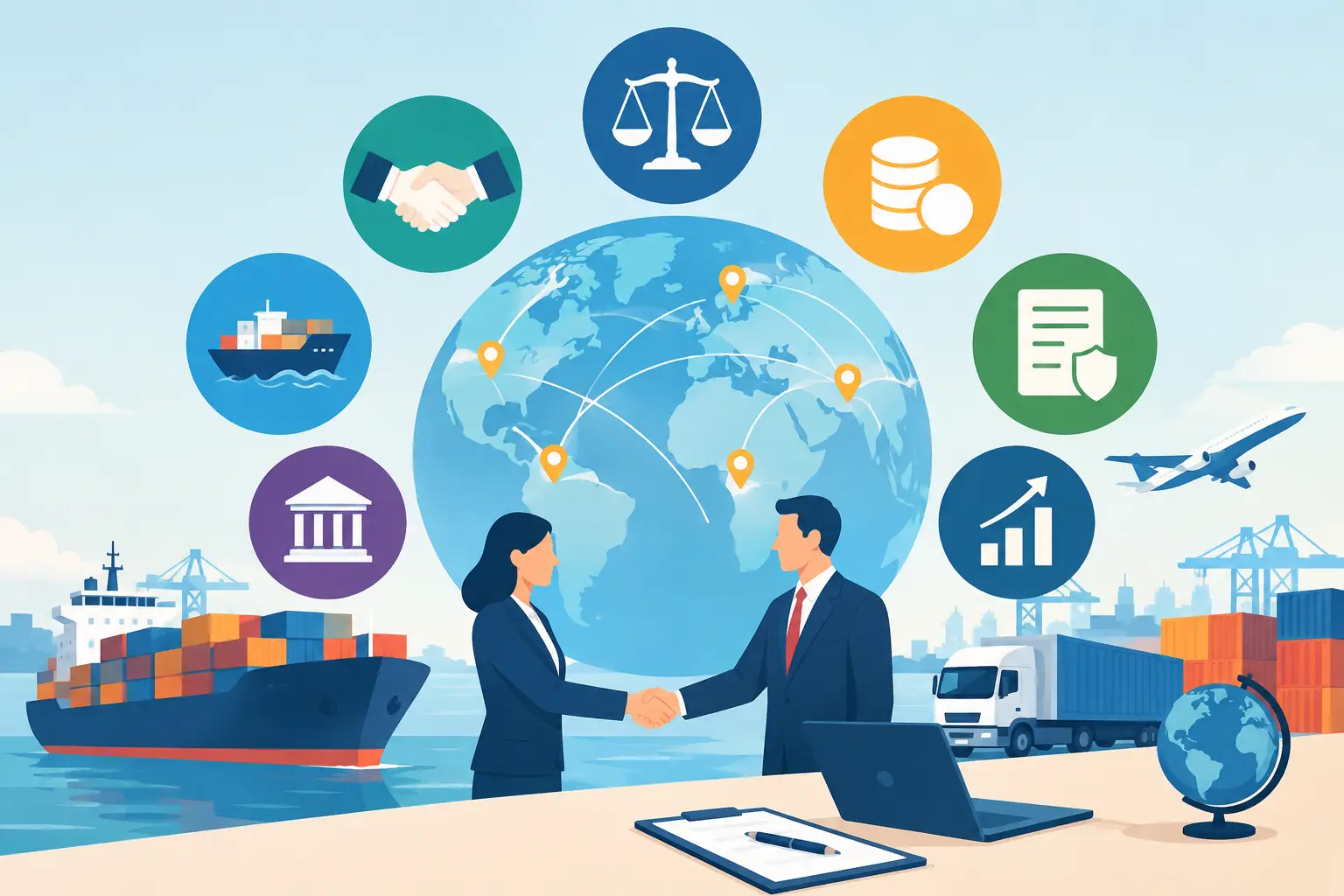
A container may leave a British port carrying perfectly good machinery, food or components, yet the exporter can still lose money long before it reaches its destination. The disciplines involved in international trade extend far beyond finding a customer and arranging transport. They determine whether the seller is paid, whether the goods clear customs, whether the contract means what both parties think it means, and whether a promising overseas relationship survives its first difficulty.

That is why international trade has never been a single profession. It is a meeting place for commercial judgement, law, banking, transport, technical knowledge and human understanding. Digital systems have altered the speed of communication, but they have not removed the underlying risks. Indeed, a quicker transaction can expose poor preparation more rapidly.

Read more

How to Preserve Workplace Knowledge Before It Goes

How to Preserve Workplace Knowledge Before It Goes

A business rarely notices how much it knows until the person who knows it has gone. A retirement, a redundancy programme, an illness or a move to another employer can expose gaps that were hidden by years of competent work. Knowing how to preserve workplace knowledge is therefore not an administrative exercise. It is a matter of protecting judgement, relationships and hard-won understanding before they disappear.

The problem is especially acute in established organisations. A long-serving engineer may know why a particular machine must be started in a certain sequence. A sales manager may understand which overseas customer needs a formal approach and which values a personal telephone call. A public-sector officer may know where a policy will meet resistance, not because a manual says so, but because they have seen the same argument arise before.

Much of this knowledge was acquired slowly, through mistakes, observation and repeated contact with people. It cannot be replaced simply by giving a successor a password, an organisation chart and a folder of procedures.

Read more

Where to Find Assistance for New Exporters

Where to Find Assistance for New Exporters

An export order can look like a triumph long before it becomes one. The enquiry arrives from a country you may never have visited, the quantities appear worthwhile, and the customer sounds keen. Yet this is precisely the point at which assistance for new exporters matters most. A poor choice of agent, an unclear delivery term or an optimistic view of payment risk can turn a promising first sale into an expensive lesson.

Over many years of working in overseas markets, I have seen British firms make both kinds of mistake. Some assumed exporting was simply domestic selling with longer distances. Others allowed the complexities to become so intimidating that they never took the first practical step. Neither approach is sensible. Exporting requires care, but it is a commercial activity, not a mysterious profession reserved for large corporations.

Read more

A Register of International Trade Experts

A Register of International Trade Experts

For many smaller firms, the difficult part of exporting is not finding a market on a screen. It is knowing whom to trust, how a particular country really conducts business, and which apparently minor detail can delay an order for months. A register of international trade experts could preserve the practical knowledge of people who have spent careers resolving such problems, then place that knowledge within reach of businesses that need it.

Britain has no shortage of retired or semi-retired people with substantial overseas experience. They have sold machinery, components, food, services and technology into demanding markets. They have appointed agents, negotiated distributorships, dealt with customs officials, arranged credit, handled complaints and learned, sometimes painfully, that a contract is only the start of a commercial relationship.

Too much of this knowledge leaves the workplace when its holder retires. It is occasionally retained by a former employer, more often lost altogether. That is a waste, particularly when many local businesses remain capable of exporting but lack the confidence, contacts or judgement to take the next step.

Read more

What an Export Readiness Assessment Reveals

What an Export Readiness Assessment Reveals

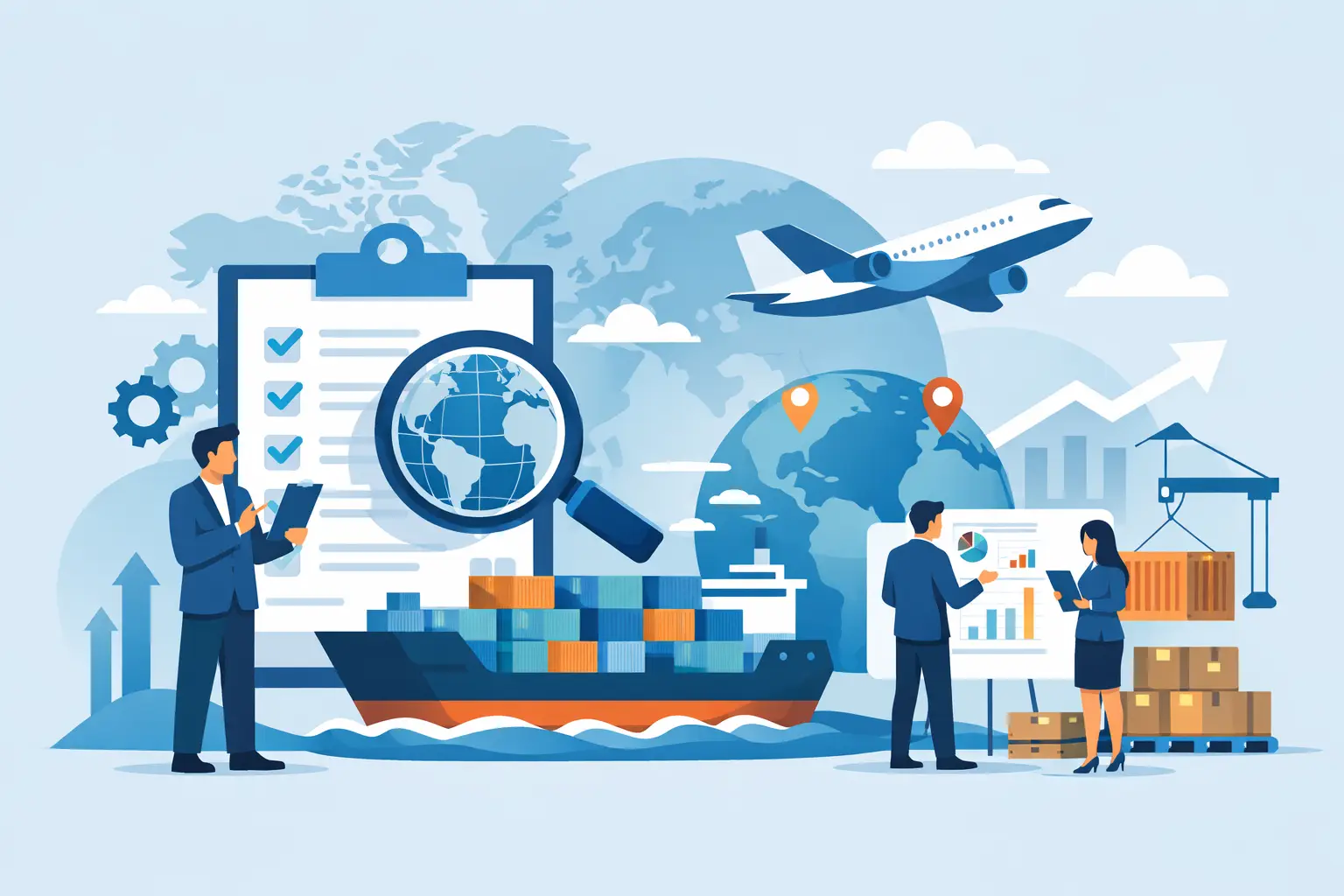
A company may have an excellent product, a sound reputation at home and a managing director eager to find overseas buyers. None of these, on their own, proves that it is equipped to export. An export readiness assessment is the discipline of testing that assumption before enthusiasm becomes expense.

For many British firms, exporting begins with an enquiry from abroad, an exhibition conversation or a distributor who appears promising. These opportunities can be valuable, but they can also encourage a business to commit too soon. The practical questions are less glamorous: can the firm quote correctly, meet the specification, obtain payment, deliver on time and support the customer when something goes wrong?

Exporting is not simply domestic selling with a longer journey. It introduces different laws, commercial customs, documentation, currencies, languages and expectations. A proper assessment exposes where the business is genuinely ready and where it is relying on hope.

Read more

The Future of Export Expertise in Britain

The Future of Export Expertise in Britain

A completed customs declaration may show that goods have left Britain. It says very little about whether an exporter understood the customer, chose a reliable agent, priced the order sensibly, protected payment, or recognised the warning signs before a promising market became an expensive mistake. The future of export expertise rests on this distinction. Trade can be digitised in many respects; judgement cannot be downloaded.

For much of the post-war period, British exporters learned through contact with factories, freight forwarders, chambers of commerce, overseas distributors and government trade officers. The work was often laborious. Information travelled slowly, overseas calls were costly, and a visit to a new market required time, preparation and a willingness to listen. Yet those conditions produced people who understood that export success was rarely secured by a brochure or a price list alone.

Read more