A consignment can be packed perfectly, collected on time and still fail before it has left the country. The cause is often not the product, the customer or the carrier, but one of the familiar export paperwork common mistakes: an inconsistent address, a vague goods description, a value that does not reconcile, or an Incoterm used without understanding who is responsible for what.
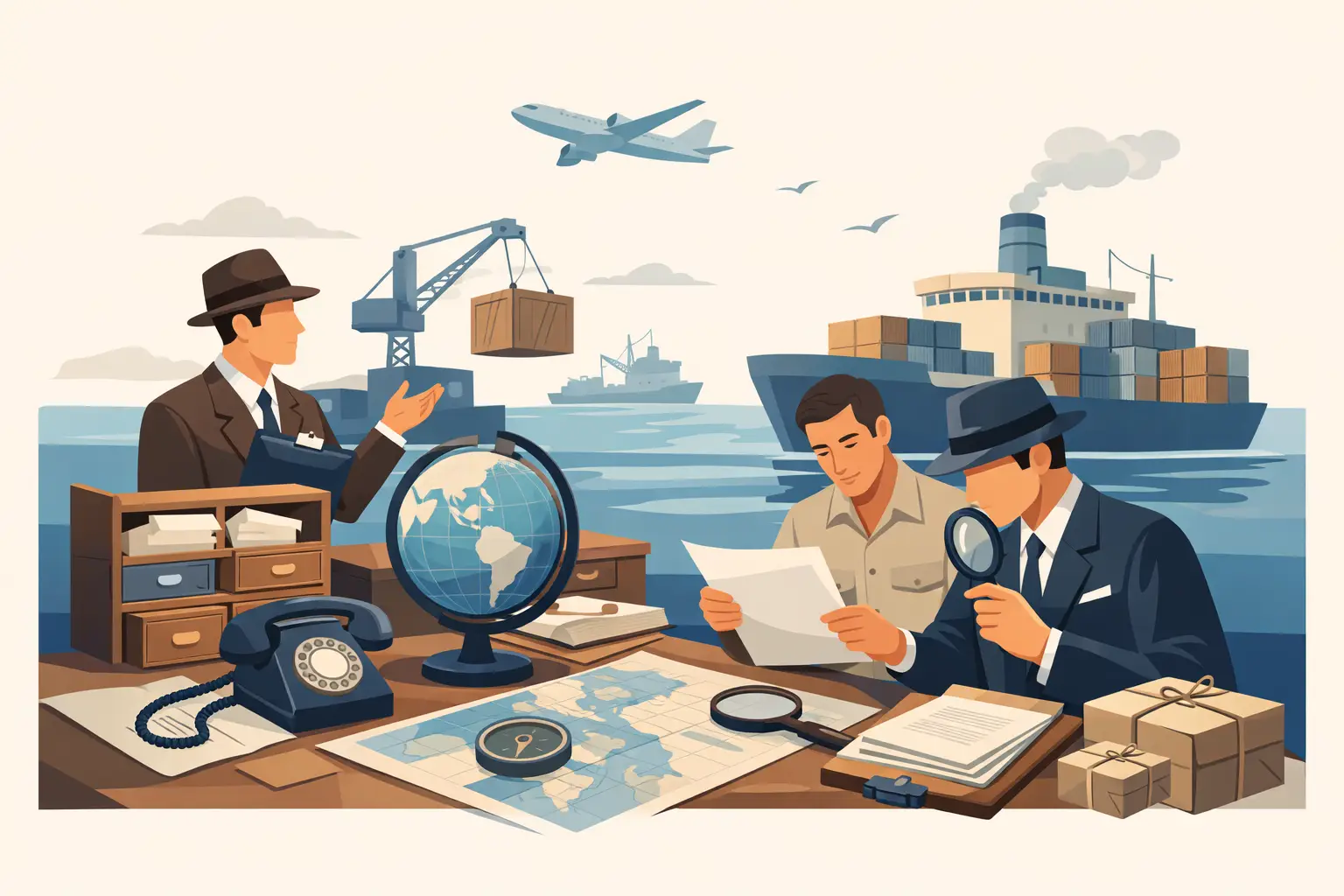
In earlier years, export departments worked with carbon-copy forms, courier collections and a great deal of telephone traffic. The paperwork was laborious, but its importance was obvious because each document physically passed through several hands. Digital declarations have made the process faster, not less exacting. A wrong field can now be copied from a sales system to a freight forwarder and into a customs declaration with remarkable efficiency.
The practical point is straightforward. Export documentation is not an administrative afterthought. It is the written account of a commercial transaction on which customs authorities, carriers, banks, insurers and customers may all rely.