Parliamentary Democracy Versus Populism Explained

Parliamentary Democracy Versus Populism Explained

A parliamentary democracy versus populism argument is often presented as a contest between an out-of-touch establishment and the authentic voice of the people. That account is appealing because it is simple. It is also incomplete. Parliamentary government was designed not to suppress public feeling, but to turn it into decisions that can be tested, amended, funded and lived with.

The difficulty begins when patience with that process is mistaken for contempt. People who feel ignored by Westminster, left behind economically, or patronised by professional politics have sound reasons to be dissatisfied. Yet dissatisfaction does not make every proposed remedy wise. The central question is whether Britain can make representative government more accountable without exchanging it for politics conducted through anger, slogans and permanent division.

Read more

Why Documentary Collections Matter More Than Ever

Why Documentary Collections Matter More Than Ever

An old export file can tell a more truthful story about a business relationship than a polished company history. The invoice shows the price agreed; the packing list shows what actually left the warehouse; the correspondence may reveal delay, disagreement or a customer’s changing circumstances. Documentary collections have this particular value: they preserve the working evidence from which a serious account can be made.

The term can mean a collection of films, but in its older and more useful sense it means selected original documents brought together to illuminate an event, institution, person or period. Letters, memoranda, reports, minutes, photographs, maps, contracts and official papers may all be included. Their worth lies not simply in age or rarity, but in their capacity to test the stories later told about them.

For readers interested in trade, public life, engineering or political history, this matters greatly. Large claims are easily made about national decline, industrial achievement, government failure or commercial success. Documents do not automatically settle such questions, but they oblige the writer and reader to be more precise.

Read more

AI and the Export Process: How Close Are We to Human-Free Trade?

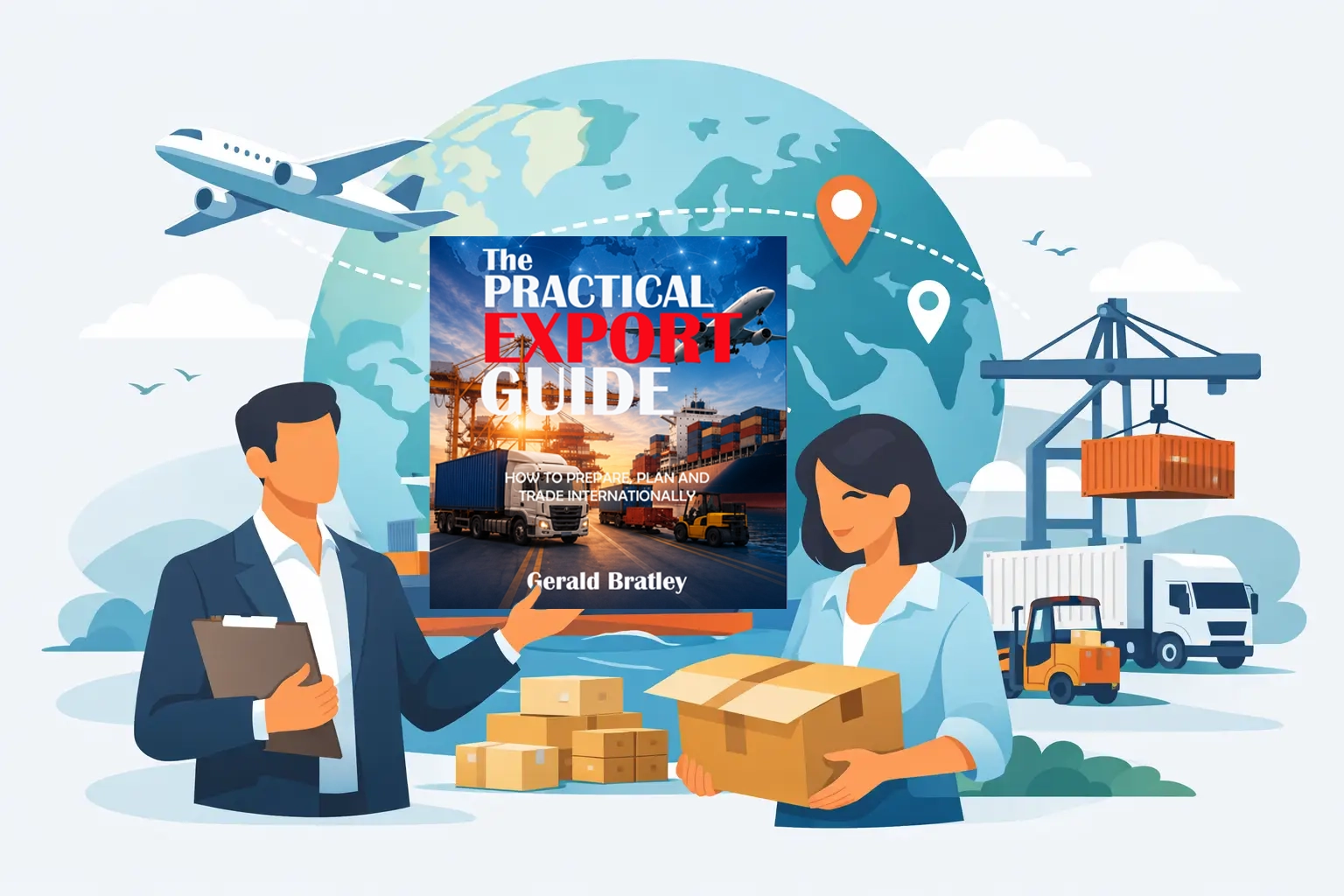
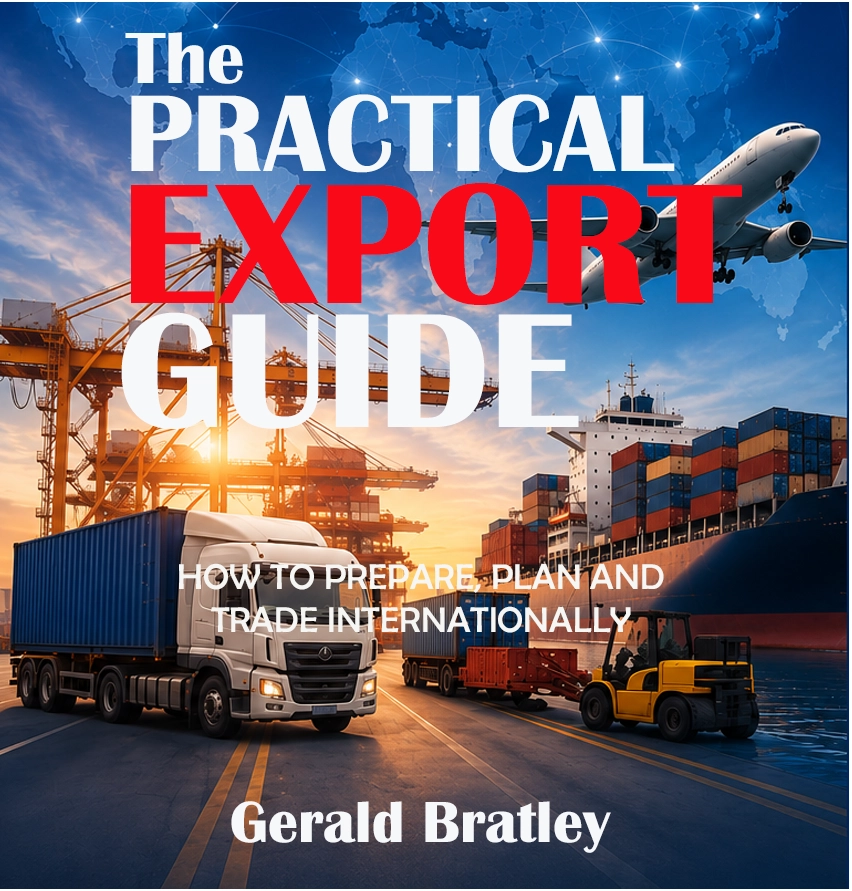
The Practical Export Guide Cover

When I began working in exports, a shipment generated a small mountain of paper. Quotations, orders, invoices, packing lists, certificates, insurance documents, bills of lading and letters of credit passed between companies, banks, carriers and government offices. A document might travel separately from the goods and still have to arrive first. A discrepancy of a few kilograms could delay payment for weeks.

Much of that information can now be created, checked and transmitted electronically. Artificial intelligence promises to take the next step: reading an order, assembling the required data, preparing documents, identifying inconsistencies and monitoring the shipment without someone retyping the same facts at every stage.

How close does that take us to an export process without people? The answer depends on whether we mean paperless, automated, or genuinely human-free. They are three different things.

Read more

Why Does Class Still Matter in Modern Britain?

Why Does Class Still Matter in Modern Britain?

A person may leave the town in which they grew up, gain qualifications, build a successful career and travel widely, yet still recognise the question beneath many British encounters: why does class still matter? It matters because class is not simply an income bracket or a relic of cap-doffing deference. It is a mixture of money, security, accent, education, assumptions and access to the rooms in which decisions are made.

Britain has changed greatly. The old industrial order has contracted, university attendance has expanded and formal barriers have weakened. Yet it would be foolish to confuse those changes with the disappearance of class. Much of its influence has become less openly acknowledged, not less real.

Read more

The Role of the Export Manager in Real Trade

The Role of the Export Manager in Real Trade

International Trade is a Chain of Events, not a Single Task

International trade involves many skills and disciplines, beginning with identifying potential markets, researching them and developing sales opportunities. See the Three Golden Steps for more information.

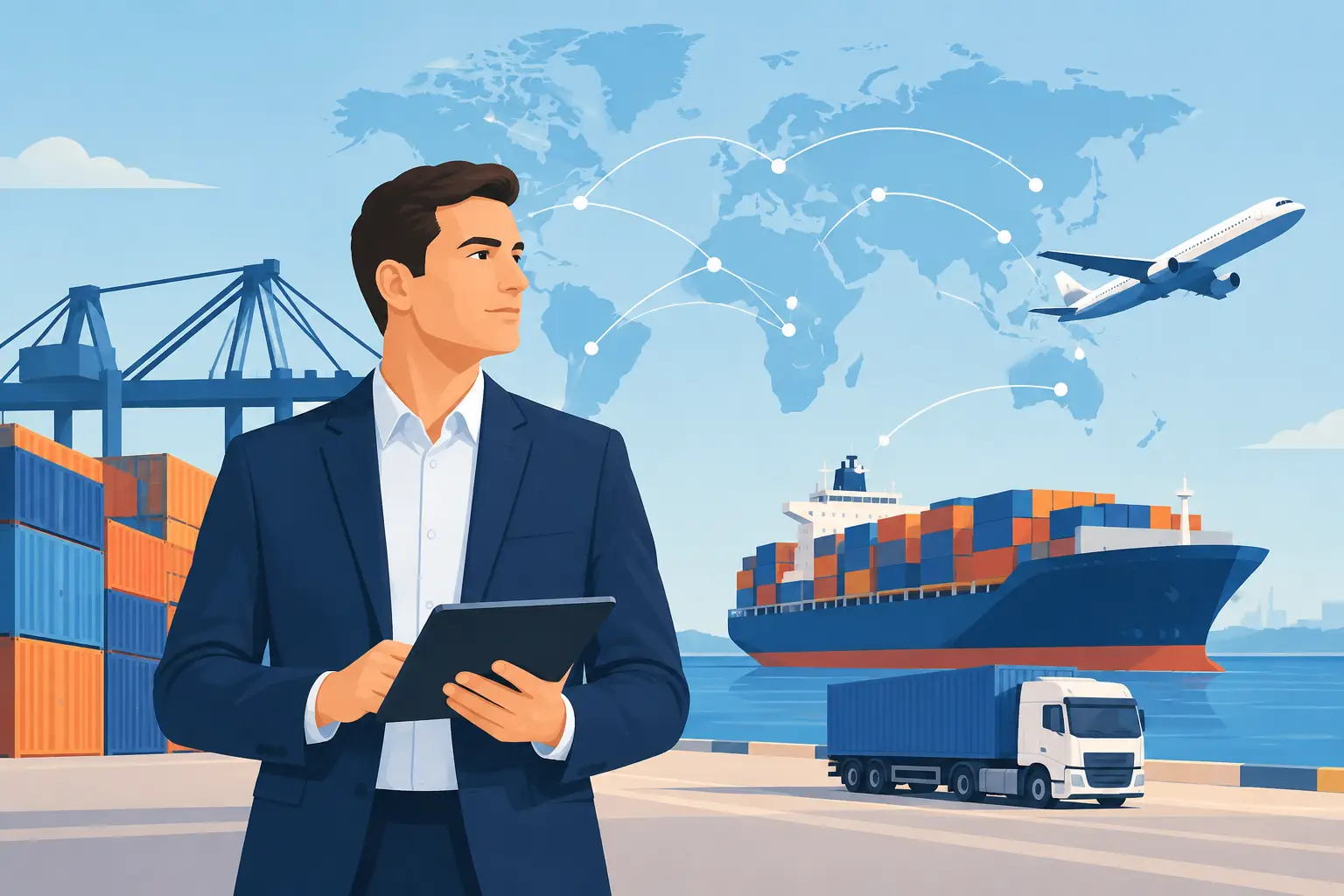
The title Export Manager can describe two quite different roles. In a large organisation, the Export Manager may supervise a department employing specialists in sales, marketing, packing, documentation, shipping, finance and legal matters etc. Much of the manager’s responsibility involves coordinating the work of those departments.

In a smaller company, however, the Export Manager may have to undertake many of these activities personally, calling upon outside specialists and subcontractors when required.

This article concentrates on the second type: the experienced Export Manager who possesses sufficient practical knowledge across multiple disciplines to manage an international transaction from the initial enquiry through to final payment.

Read more

Cultural Conflict in Modern Society Explained

Cultural Conflict in Modern Society Explained

A disagreement over a flag, a school curriculum, immigration, religious practice or the words permitted in public life can quickly be described as cultural conflict in modern society. The phrase is often used loosely. It can make a difficult argument sound like an unavoidable clash between fixed groups, when the reality is usually more tangled: questions of power, economic insecurity, history, status and trust sit beneath the surface.

That does not mean such conflicts are imaginary, nor that they can be wished away with a demand for tolerance. Culture concerns the things through which people understand belonging: language, manners, family life, faith, national memory and the obligations they believe citizens owe one another. When these are challenged, people often feel that more is at stake than a policy preference. They feel that their place in the country is being questioned.

Read more

What Is a Back to Back Letter of Credit?

What Is a Back to Back Letter of Credit?

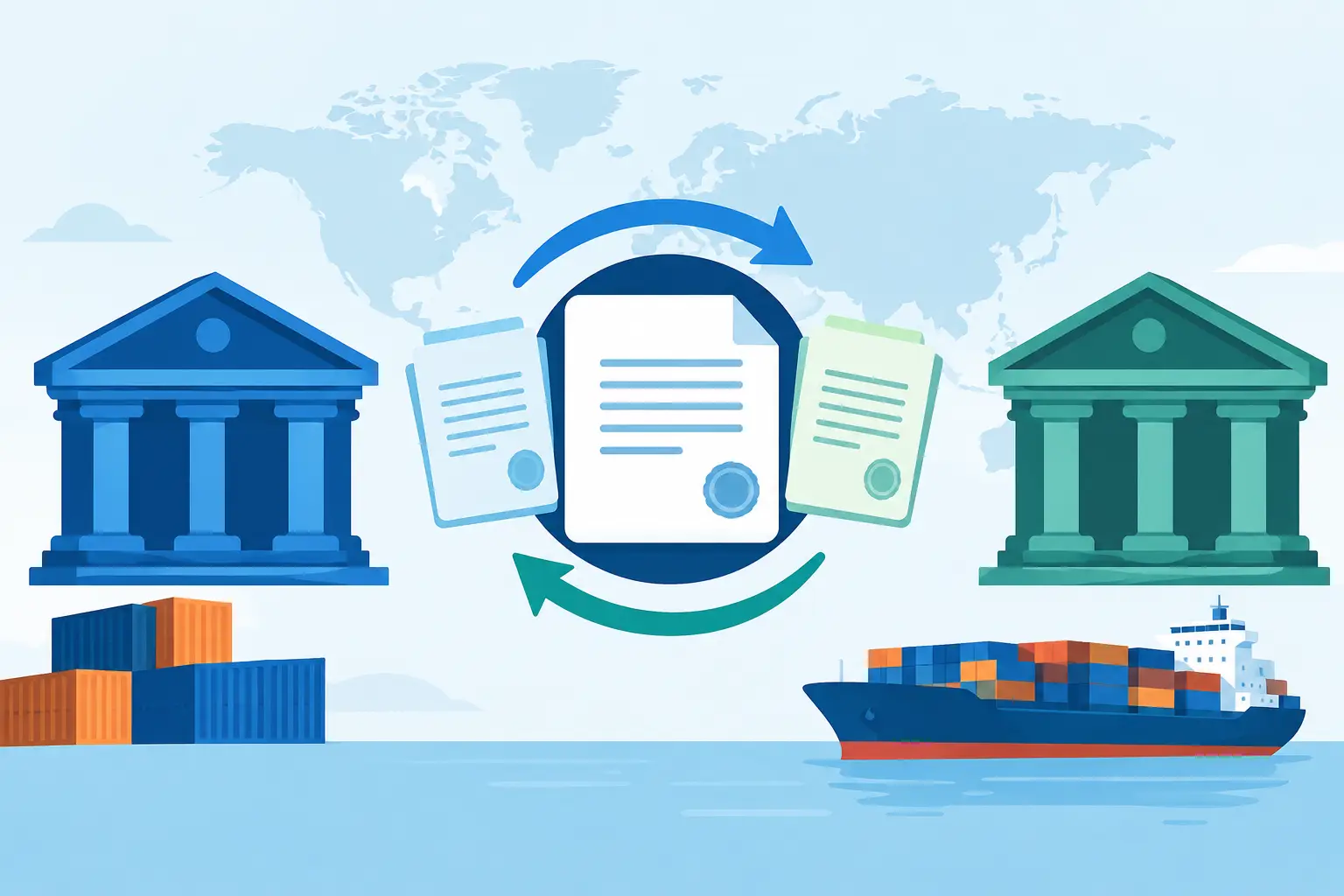
A buyer in one country wants machinery, materials or consumer goods. The supplier is elsewhere, but an intermediary has found the opportunity and does not want the buyer and supplier simply to deal directly. The question, then, is what is a back to back letter of credit? It is a banking arrangement designed for precisely this sort of transaction, though it is more demanding and less routine than the phrase may suggest.

In simple terms, an intermediary receives a letter of credit from the ultimate buyer and uses it as security to persuade a bank to issue a second letter of credit in favour of the actual supplier. There are therefore two separate credits, linked commercially but not identical in legal effect. One supports the sale to the buyer; the other supports the intermediary’s purchase from the supplier.

This device has long had a place in international trade, particularly where merchants, agents and specialist traders add genuine value through market knowledge, finance, inspection or consolidation. It is not a substitute for sound credit judgement, accurate documents or a viable contract. Indeed, it makes each of those matters more significant.

Read more

A Guide to Postwar British Industry and Change

A Guide to Postwar British Industry and Change

Britain emerged from the Second World War victorious but economically exhausted. Any useful guide to postwar British industry must begin with that uncomfortable fact. The country retained great engineering capacity, skilled labour and established overseas commercial connections, yet it also carried worn-out plant, heavy debts, rationing and an urgent need to earn foreign currency. The subsequent story is not simply one of industrial decline. It is a record of recovery, innovation, missed opportunities and difficult choices made under pressures that are easily forgotten.

Read more

Transferable and Divisible L/Cs Explained

Transferable and Divisible L/Cs Explained

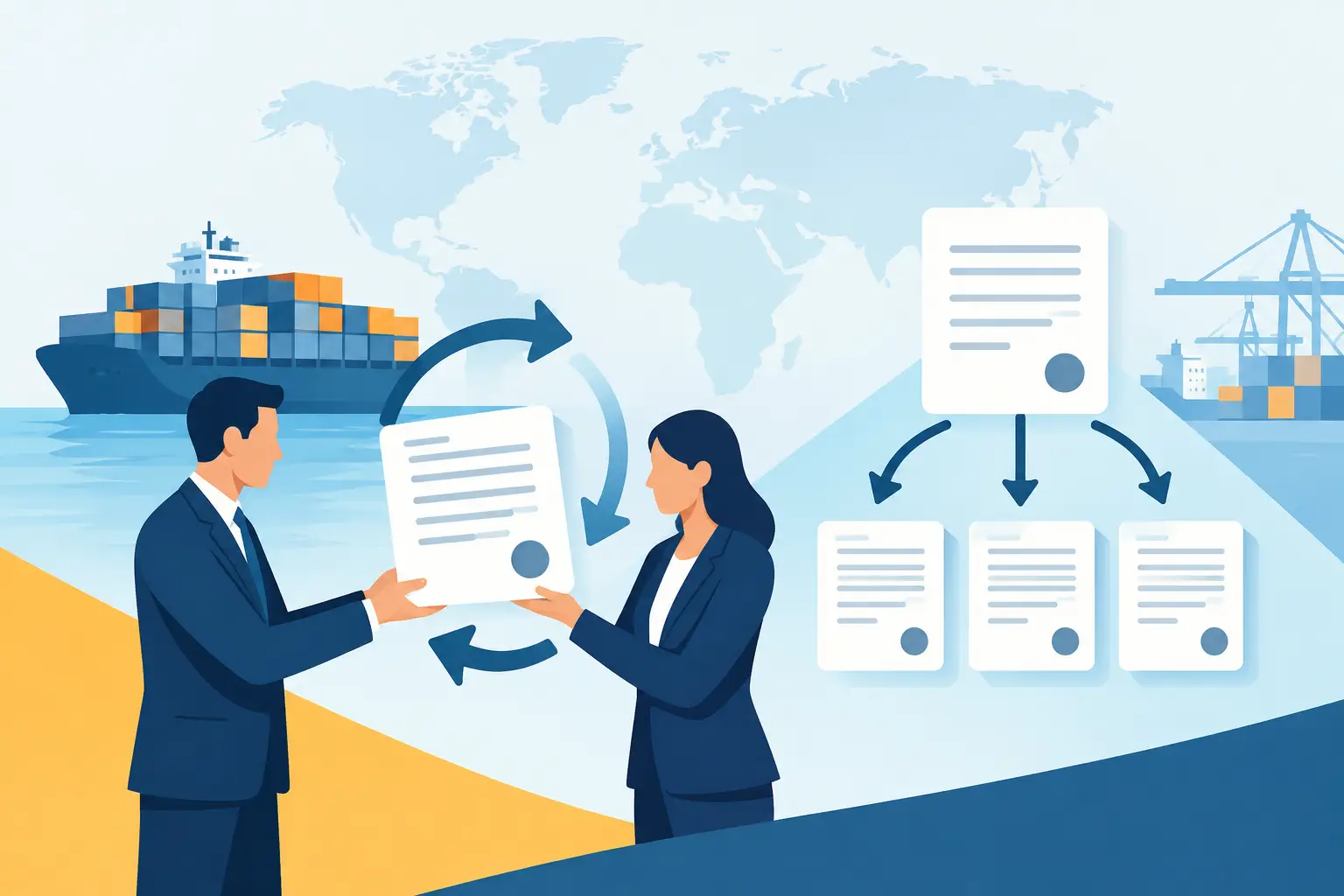
A letter of credit can make an overseas sale bankable, but only when its terms match the way the goods are actually bought, supplied and shipped. “Transferable and divisible L/Cs explained” is therefore not merely a banking question. It concerns the practical relationship between buyer, exporter, supplier and bank – and the point at which an intermediary may be paid without exposing either party to an unnecessary risk.

The terminology is often used loosely. A transferable credit has a precise meaning under the rules normally governing documentary credits. A divisible credit, by contrast, is not generally a formal category in the same sense. People may mean that the credit can be split between suppliers, that partial shipments are permitted, or that the proceeds may be shared. Those are different arrangements, with different consequences.

Back in the 1970s, I built a business using transferable and divisible letters of credit to assemble package deals for major contractors throughout the Middle East. These included projects such as Doha General Hospital, Salmaniya Medical Centre, the Kuwait Water Towers and the Aqaba Holiday Inn, along with numerous others across the region. The contractor placed a single order with my company, and I brought together products from numerous manufacturers, arranging for them to be shipped as one consignment. Without these two ingenious banking arrangements, I simply would not have had the financial resources to undertake such contracts. They enabled a small export merchant with limited capital to compete for substantial international business that would otherwise have been beyond his reach.

Read more