A buyer in one country wants machinery, materials or consumer goods. The supplier is elsewhere, but an intermediary has found the opportunity and does not want the buyer and supplier simply to deal directly. The question, then, is what is a back to back letter of credit? It is a banking arrangement designed for precisely this sort of transaction, though it is more demanding and less routine than the phrase may suggest.
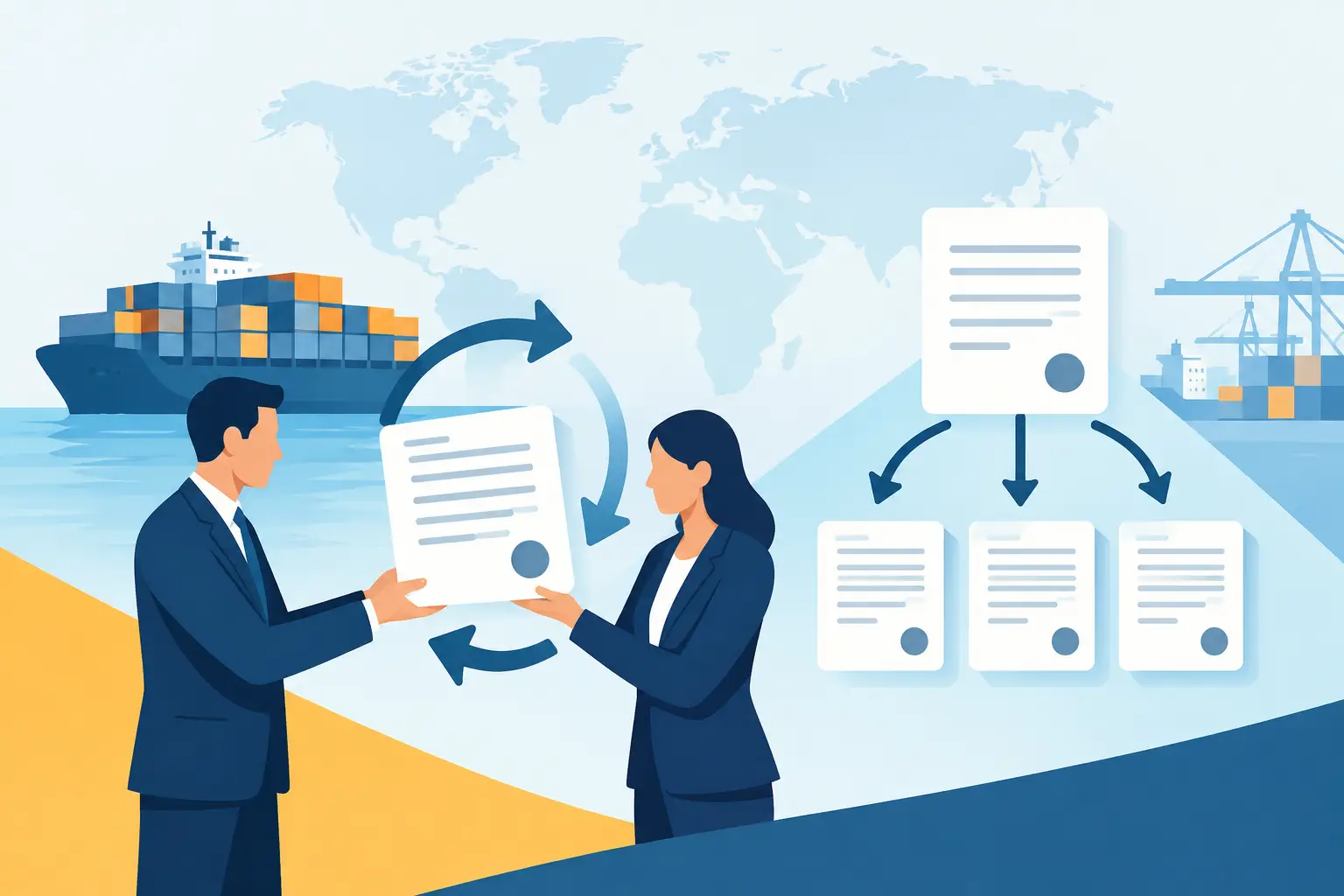
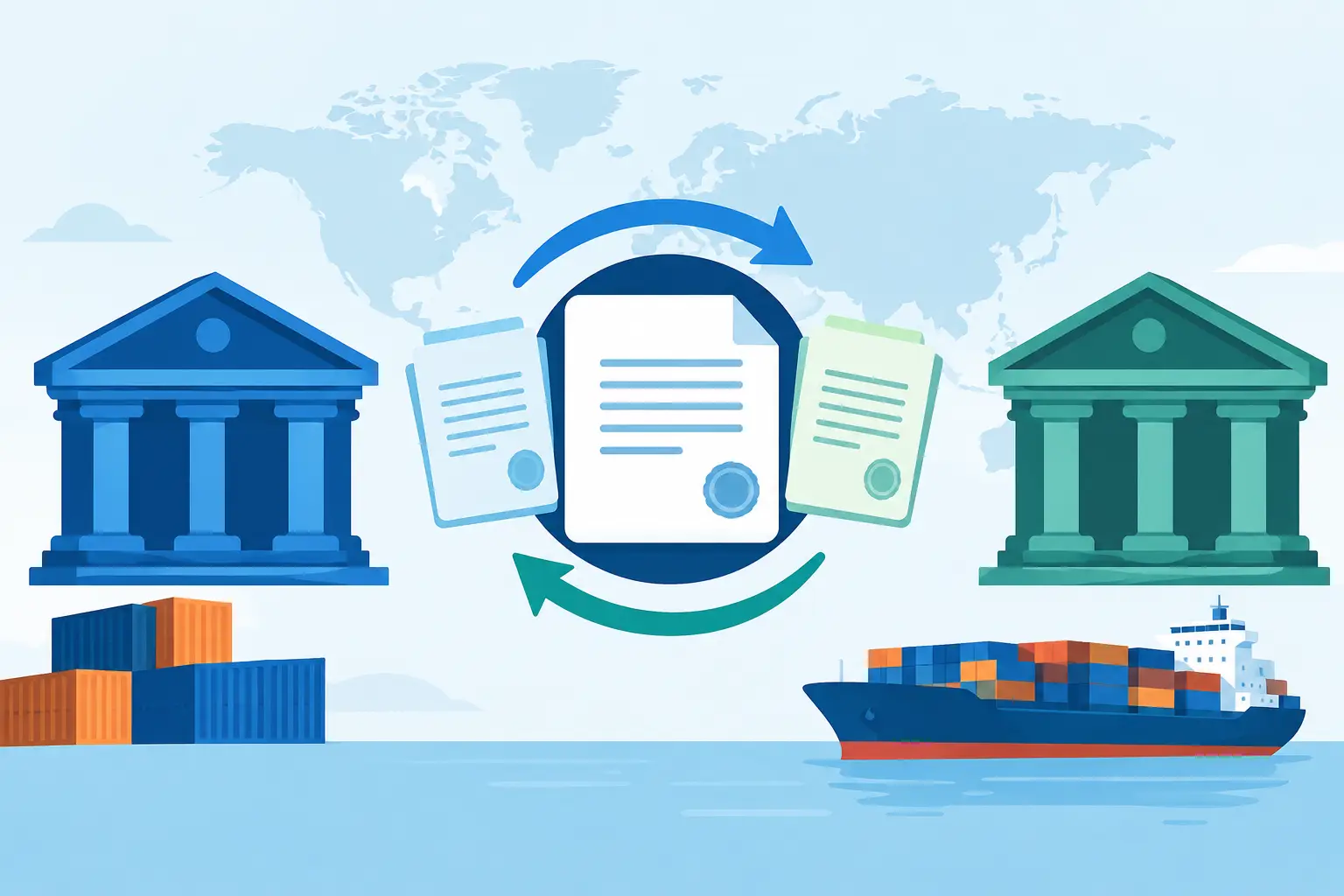
In simple terms, an intermediary receives a letter of credit from the ultimate buyer and uses it as security to persuade a bank to issue a second letter of credit in favour of the actual supplier. There are therefore two separate credits, linked commercially but not identical in legal effect. One supports the sale to the buyer; the other supports the intermediary’s purchase from the supplier.
This device has long had a place in international trade, particularly where merchants, agents and specialist traders add genuine value through market knowledge, finance, inspection or consolidation. It is not a substitute for sound credit judgement, accurate documents or a viable contract. Indeed, it makes each of those matters more significant.